

Introduction
Sleep is an essential part of our daily lives, and quality sleep is crucial for both physical and mental health. A recent study explored the relationship between fruit and vegetable intake and sleep duration, shedding light on the important connection between diet and sleep.
The Importance of Sleep and Its Role
Sleep allows our bodies to rest and recover from daily activities. Our heart, blood vessels, muscles, cells, immune system, cognitive abilities, and memory all depend on regular, healthy sleep. Quality sleep also helps repair DNA damage that occurs during wakefulness.
A good night's sleep consists of 3-5 cycles per night, with each cycle lasting an average of 90-120 minutes. Adults should aim for 7 to 9 hours of sleep per night. However, insomnia and shortened sleep duration are becoming increasingly common among adults. Factors such as stress, fast food consumption, and sedentary lifestyles are making sleep deprivation a public health issue, linked to cardiovascular disease, cognitive decline, and increased mortality rates.
Findings from the Study
The study aimed to explore how sleep duration affects fruit and vegetable intake, and vice versa. It also investigated how individual sleep types (morning or evening preferences) might play a role in dietary choices and sleep duration.
Recommended Fruit and Vegetable Intake for Adults
The World Health Organization recommends a daily intake of at least 400 grams of fruits and vegetables. Some Northern European guidelines encourage consuming 500 to 800 grams of vegetables, fruits, and berries daily, with half of the intake coming from vegetables.
Key Findings: Quantity and Type of Fruits and Vegetables Matter
The study found that those with normal sleep durations consumed more fruits and vegetables compared to short and long sleepers. Specifically, there were significant differences in the intake of leafy greens, root vegetables, and fruit vegetables (such as tomatoes and cucumbers) among different sleep duration groups. The intake of berries and other fresh fruits was also significantly associated with sleep duration.
The study also found that the category of sleep duration could somewhat predict fruit and vegetable intake. Short sleep duration was typically associated with lower fruit and vegetable intake, while normal sleep duration was linked to higher intake.
How to Manage Daily Fruit Intake
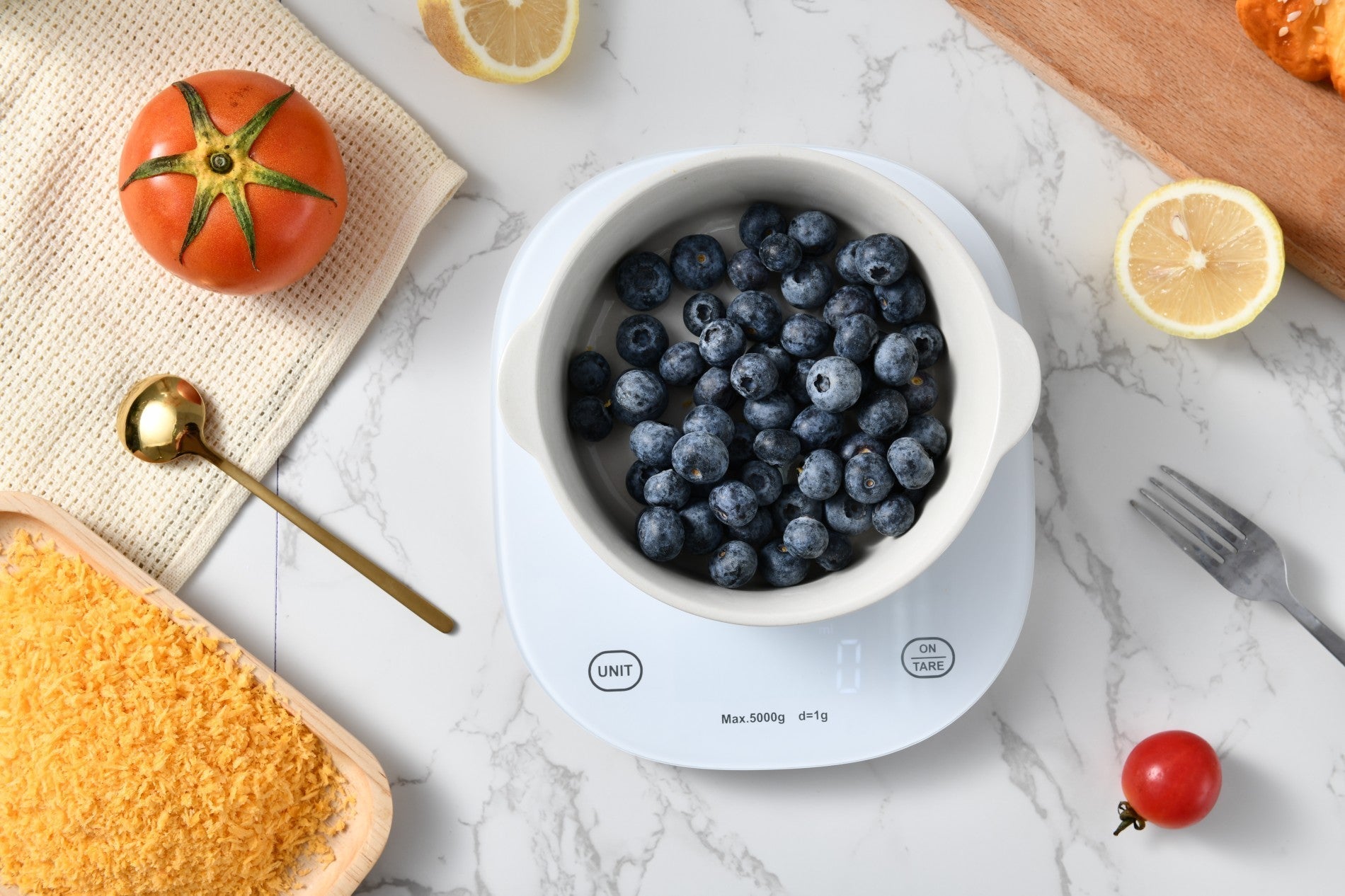
To achieve optimal nutrient intake from fruits and vegetables, it is important to accurately measure daily consumption. The Arboleaf CK10G kitchen scale can help you precisely measure your daily fruit and vegetable intake. The CK10G connects with the arboleaf app, allowing you to scan the UPC information on food packaging and display USDA food composition data in the app. Equipped with four precision sensors, the CK10G ensures milligram-level accuracy in every measurement, helping you better manage your daily nutritional intake and promote quality sleep.
By controlling your daily intake of fruits and vegetables, you can improve your dietary habits and enhance your sleep quality. This study provides valuable insights and helps you achieve the dual goals of healthy eating and quality sleep in your daily life.


Share: