

Which method truly addresses scalp oil, hair loss concerns, or mental stress? Beyond core functionality, factors such as safety risks, noise levels, and hardware quality are critical in determining the overall experience. This article provides an objective comparison of the pros and cons to help you make an informed decision.
1. Professional Head Massage Spa
The core value of a professional head massage spa lies in systematic physiological regulation and deep environmental immersion.
-
Key Advantages
-
Deep Purification and Dandruff Removal: Unlike routine hair care, spas utilize professional-grade products to soften keratin and remove hardened sebum deep within the follicles, significantly helping to reduce dandruff and improve the scalp environment.
-
Diverse Therapeutic Experiences: Many high-end establishments offer more than just basic hydrotherapy; they often combine Japanese Head Spa techniques for precise acupressure or Thai Massage for stretching and deep meridian manipulation.
-
Holistic Relaxation Services: The process usually takes place in a serene environment. By relaxing to soothing music, combined with deep hydration (steam mist) and aromatherapy, these services can significantly lower cortisol (stress hormone) levels.
-
-
Potential Limitations and Risks
-
High and Opaque Costs: Head massage spas are expensive, with average starting prices between $140 and $250. Add-ons such as steaming, essential oils, or neck/shoulder massages often incur extra charges of $30 – $50 per item, leading to a potentially staggering final bill.
-
Hygiene and Health Risks: If an establishment fails to strictly disinfect tools, there is a risk of cross-infection. Furthermore, many spas do not perform allergy tests beforehand, and certain essential oils may cause skin irritation or allergic reactions.
-
Physical Injury: Particularly with higher-intensity styles like Thai massage, improper technique or uneven pressure from a technician can cause impact trauma to acupoints or microscopic physical damage to the scalp surface.
-
2. Scalp Massager at Home
Unlike one-off intensive spa treatments, the logic behind a home scalp massager is based on "high-frequency, low-intensity" physical stimulation.
-
Key Advantages
-
Extreme Cost-Effectiveness: With average prices ranging from $15 to $50 and no additional recurring fees after the initial purchase, this is the most economical way for long-term stress relief.
-
Safety and Autonomy: Users have complete control over the pressure, making it safer and less likely to injure sensitive areas. Personal use also fundamentally eliminates the risk of cross-infection.
-
Long-term Health Management (Hair Growth and Anti-loss): Scientific research indicates that hair growth relies on microcirculation at the base of the follicle. Daily 5–10 minute physical stimulation consistently promotes blood circulation and awakens dormant follicles, making it more effective for hair loss prevention and hair growth support over time.
-
-
Major Drawbacks and Quality Traps
-
Lack of Waterproofing: Many budget massagers on the market lack proper waterproofing. When used in damp environments, these products are prone to instant failure and, in serious cases, pose a significant risk of electric leakage.
-
Design Flaws (Mechanical Damage): Some models have gaps between the massage heads that are too small or lack biomechanical engineering, creating a "twisting" effect. For those with coarse or thick hair, this can easily lead to tangling and hair pulling, causing physical damage.
-
Noise Interference: Many low-end products feature loud motors (often exceeding 50dB). The constant mechanical buzzing next to the ear can interfere with the relaxation process and actually increase anxiety.
-
Limited Functionality and Material Aging: Most budget products lack a constant heat function, and ordinary rubber tips tend to harden and develop odors after frequent contact with scalp oils.
-
3. Core Dimension Comparison
A professional head massage spa and an at-home scalp massager serve different needs. A spa treatment is more focused on deep cleansing and relaxation, while a scalp massager is more practical for daily circulation support, hygiene, and at-home maintenance.
Head Massage Spa (Professional)
- Primary function: Deep cleansing, Japanese or Thai-style massage, and full-service relaxation.
- Safety: Depends on the hygiene and technique of the provider. Poor sanitation may increase the risk of scalp irritation or fungal infection.
- Unit price: Usually $140-$250 per session to start.
- Operating noise: Usually quiet, with a relaxing environment and soothing music.
- Extra fees: May include $30-$50 for steaming, oils, or add-on treatments.
Scalp Massager at Home
- Primary function: Supports scalp circulation, daily hygiene, and routine scalp care at home.
- Safety: User-controlled and convenient, but very cheap units may have lower build quality or leakage risk.
- Unit price: Usually $15-$50 as a one-time purchase.
- Operating noise: Depends on the motor quality. Lower-cost units may be louder.
- Extra fees: None for normal use.
In short, a professional head massage spa is better for occasional deep relaxation and cleansing, while an at-home scalp massager is better for frequent, affordable scalp care. If you want daily convenience and lower long-term cost, a scalp massager is usually the more practical option.
4. Final Recommendation: How to Choose?
The right choice ultimately depends on your lifestyle and budget.
-
If your budget allows: If you can afford high-end care at approximately $200 per session (about $400 per month), a Head Massage Spa is the better fit. Professional Japanese or Thai techniques will provide you with the ultimate luxury experience. Ensure you choose an establishment with strict hygiene standards and communicate your preferred pressure to the technician.
-
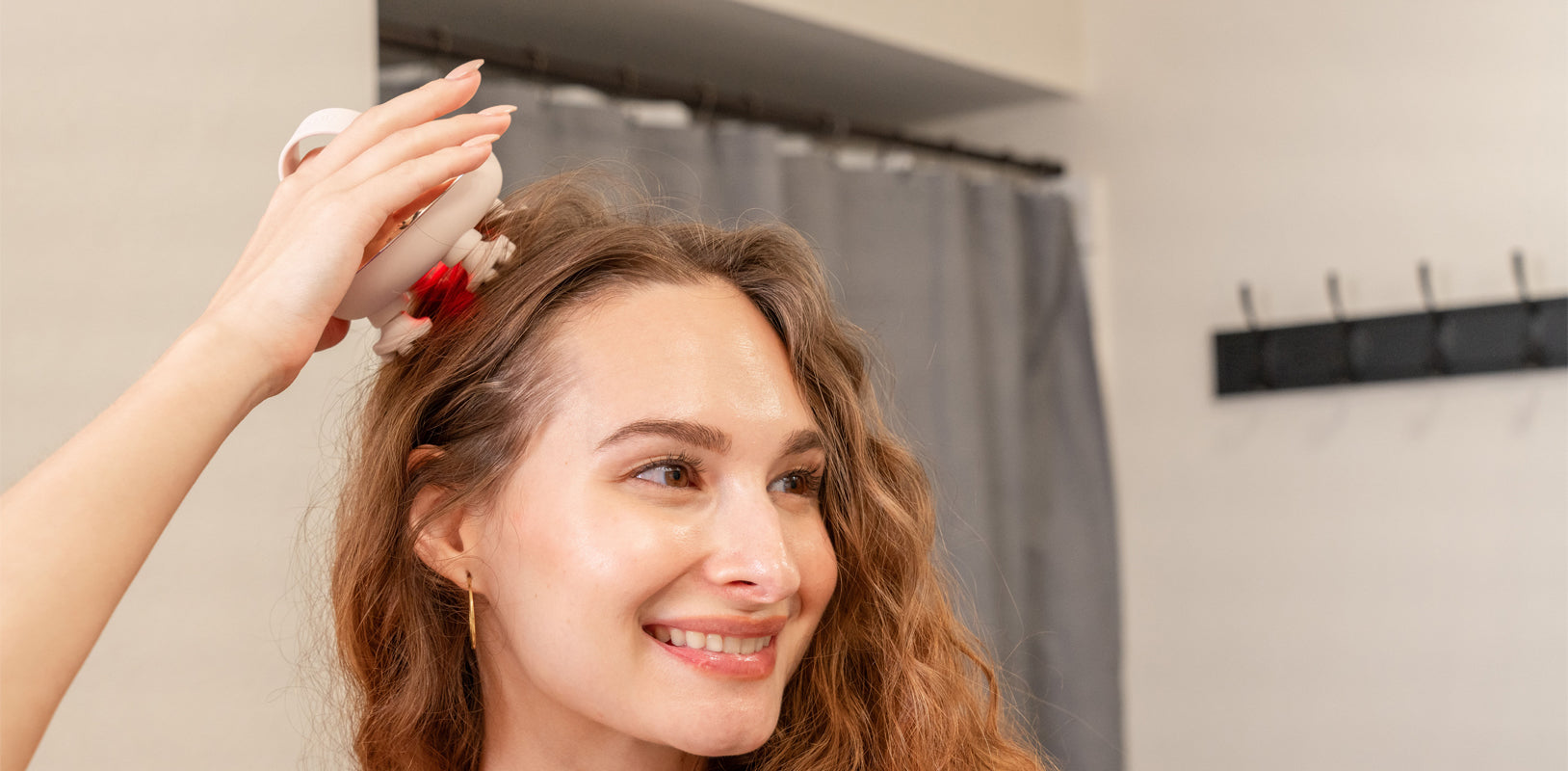
If you seek long-term results and want to avoid quality traps: We recommend the Arboleaf Head and Scalp Massager. It provides the daily stress relief you need at a minimal cost while solving the pain points of common competitors:
-
Ultimate Serenity and Warmth: Noise levels never exceed 35dB (quieter than a casual conversation). Combined with a constant heat function, it simulates the warmth of a therapist’s hands for deeper relaxation.
-
Superior Safety: Featuring a rigorous IPX7 waterproof design, it completely eliminates the risks of damage and leakage associated with cheap products, allowing you to enjoy your massage safely in the shower.
-
Hair-Friendly Design: Using precision-engineered 3D massage nodes that mimic human hands, the gaps are scientifically spaced for all hair types (including coarse hair) to effectively avoid tangling or pulling.
-
Summary: The best stress relief is not an expensive one-time purchase, but rather finding a maintenance habit that fits your own rhythm. Use the Spa to relax yourself, and use the Arboleaf home massager to protect your daily well-being.
Share: