

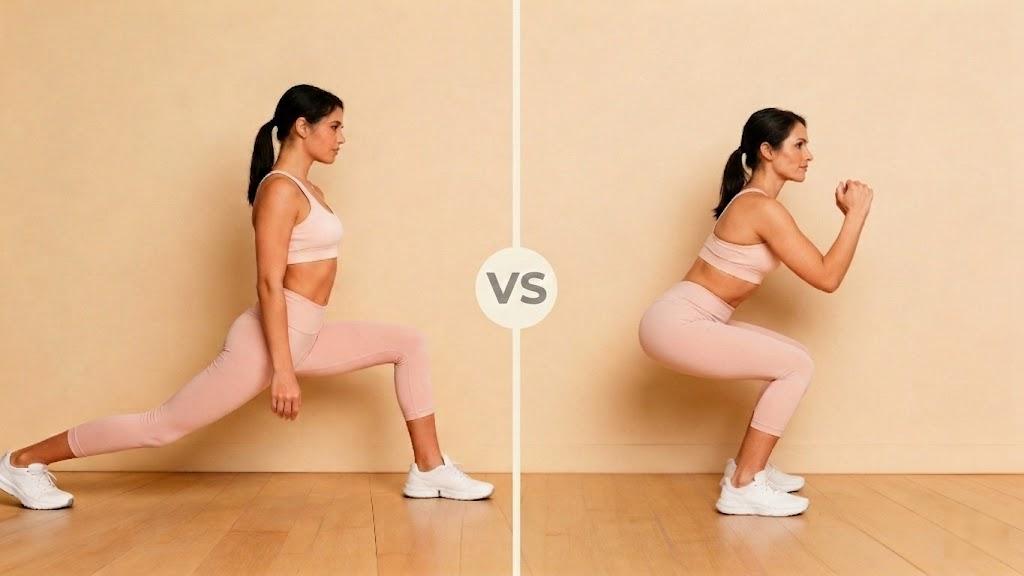
Picture this familiar scenario: it's "Leg Day." You step into the gym or roll out your yoga mat at home, ready to put in the work. You know that to tone your lower body, build strength, and boost your metabolism, leg workouts are an absolute must.
But when it comes to planning your routine, you are immediately faced with a classic fitness debate: Lunges vs Squats.
While both are staple exercises that will make your legs burn, they challenge your muscles, balance, and joints in entirely different ways. So, what sets them apart? And more importantly, which one is the secret to reaching your specific fitness goals? Let’s break it down in plain English.
Mechanics: What’s the Real Difference Between Them?
To understand why your body feels completely different after doing these two exercises, we have to look at how your feet are positioned on the floor.
Squats are a bilateral exercise—meaning both legs work at the same time. Think of a squat like building a solid foundation. Because both of your feet are planted firmly on the ground shoulder-width apart, your body is incredibly stable. This stability allows you to recruit all your major leg muscles at once to push a heavy load. It is the ultimate movement for raw, full-body power.
Lunges are a unilateral exercise—meaning you focus on one leg at a time. Think of a lunge like walking on a tightrope. By splitting your stance and stepping forward or backward, your base of support becomes very narrow. Suddenly, your body wants to wobble. To keep you from falling over, your core muscles and the side of your hips have to contract intensely. You aren't just lifting weight; you are fighting to stay balanced.
Muscle Focus: How Do They Target Your Legs Differently?
In the battle of lunges vs squats, knowing exactly which muscles are doing the heavy lifting will help you choose the right move for your goals.
-
For the Quads and Hamstrings: Both exercises are fantastic for the front and back of your thighs. However, because squats allow you to safely lift much heavier weights (like a barbell across your back), they are generally better for packing overall size and pure strength onto your legs.
-
For the Glutes (Your Booty): If you want to build and lift your glutes, lunges often take the crown. Stepping into a lunge provides a much deeper stretch for the glute muscles on your front leg. Plus, because you are balancing, the muscles on the side of your hips (gluteus medius) fire up aggressively to keep your pelvis stable, giving you a highly targeted burn.
-
For the Core and Lower Back: Squats require a very strong lower back to keep your chest up when lifting heavy. Lunges place far less direct pressure on your spine, but they force your abdominal muscles (especially your obliques) to work overtime to stop your torso from twisting.
Which Exercise Should You Choose for Your Goals?
You don't need to guess which exercise is better; you just need to match the movement to what you want to achieve today.
Go for Squats if you want to:
-
Lift heavier and get stronger: If your goal is to push your absolute limits and build maximum lower-body power, the stability of the squat makes it your best tool.
-
Save time: Squats work both legs simultaneously, making them a highly efficient choice if you only have 20 minutes for a quick workout.
Go for Lunges if you want to:
-
Fix muscle imbalances: Everyone has a "strong leg" and a "weak leg." Lunges force your weaker side to work completely on its own, preventing your dominant leg from taking over and doing all the work.
-
Enhance your balance and athletic agility: The stability you gain from lunges translates beautifully into real life, whether you are running, playing sports, or just carrying heavy groceries up the stairs.
Tracking Your Gains: Why the Scale Lies After Leg Day
Whether you decide to focus on lunges or squats, consistently doing heavy leg workouts will change your body composition. This means you will be tearing down and rebuilding muscle fibers while simultaneously burning off body fat.
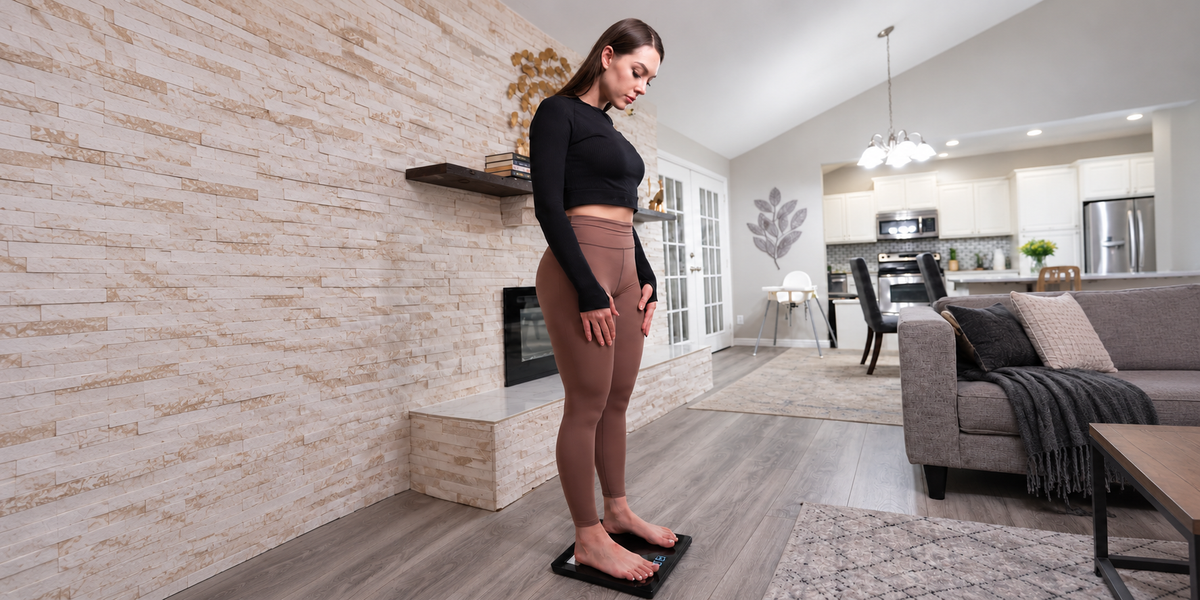
Here is the catch: after a month of hard work, you might step on a standard bathroom scale and see that your weight hasn't dropped a single pound.
Don't panic! Muscle tissue is much denser and more compact than fat. As your legs get stronger and firmer, and your body fat melts away, your clothes will fit better—even if your total weight stays exactly the same.
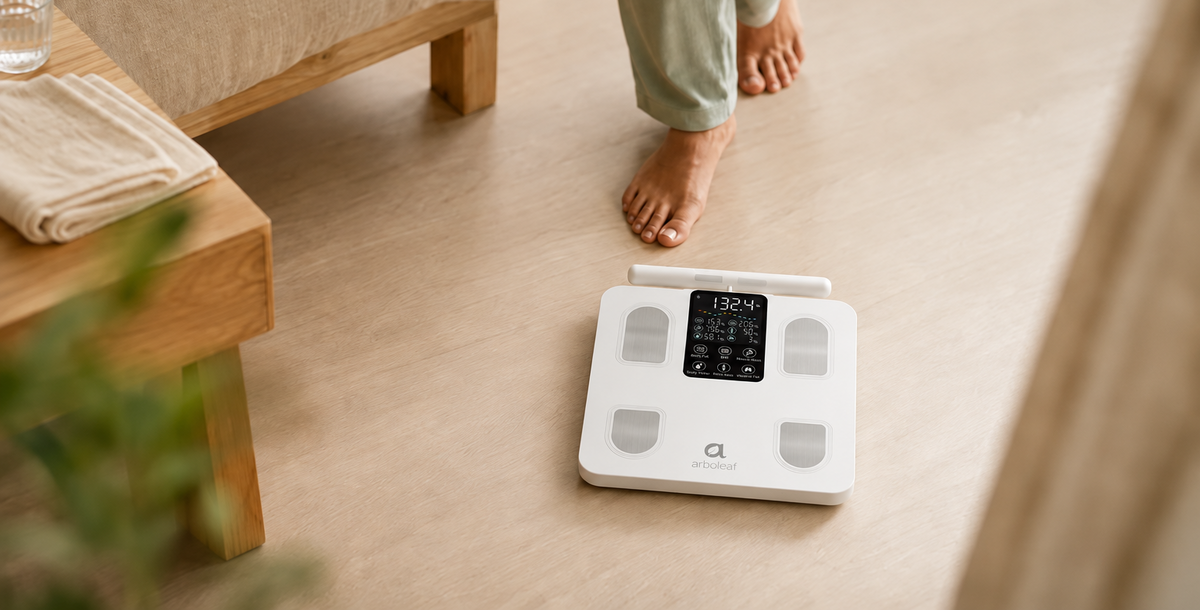
To avoid this common "scale anxiety," you need to track what is actually happening inside your body. Using a smart device like the Arboleaf Smart Body Scale allows you to monitor your exact body fat percentage and skeletal muscle mass. This way, you can clearly see the real, data-driven results of your leg days, proving that your hard work is paying off.
Frequently Asked Questions (FAQ)
Q: Can I do both lunges and squats in the same workout?
A: Yes! A very smart and common routine is to start your workout with heavy squats to build overall strength while your energy is high. Then, finish your session with lighter lunges to sculpt your glutes and challenge your balance.
Q: Lunges vs Squats: Which is safer if I have bad knees?
A: Squats are generally friendlier for beginners with knee issues because standing on both feet shares the weight evenly. Lunges put all of your body weight onto a single knee joint, which can cause discomfort if your form gets sloppy. If you feel sharp pain during either movement, stop and consult a physical therapist.
Q: Should I train my legs if they are still extremely sore from my last workout?
A: Give them a rest. Your muscles actually grow while you are resting on the couch and eating, not while you are in the gym. Training the exact same sore muscles too soon will only slow down your recovery and increase your risk of injury.
Conclusion
When deciding between lunges vs squats, the right answer depends entirely on what your body needs right now. Squats are your ultimate powerhouse for building raw, total-body strength. Lunges, on the other hand, are the perfect tool for fine-tuning your balance, fixing uneven strength, and sculpting your glutes.
Summary: The most effective workout routines don't rely on just one magic exercise. Use both squats and lunges to build a capable, pain-free lower body, and let the Arboleaf smart body scale track your hidden muscle gains along the way. Stay consistent, listen to your body, and the results will follow.
Share: