

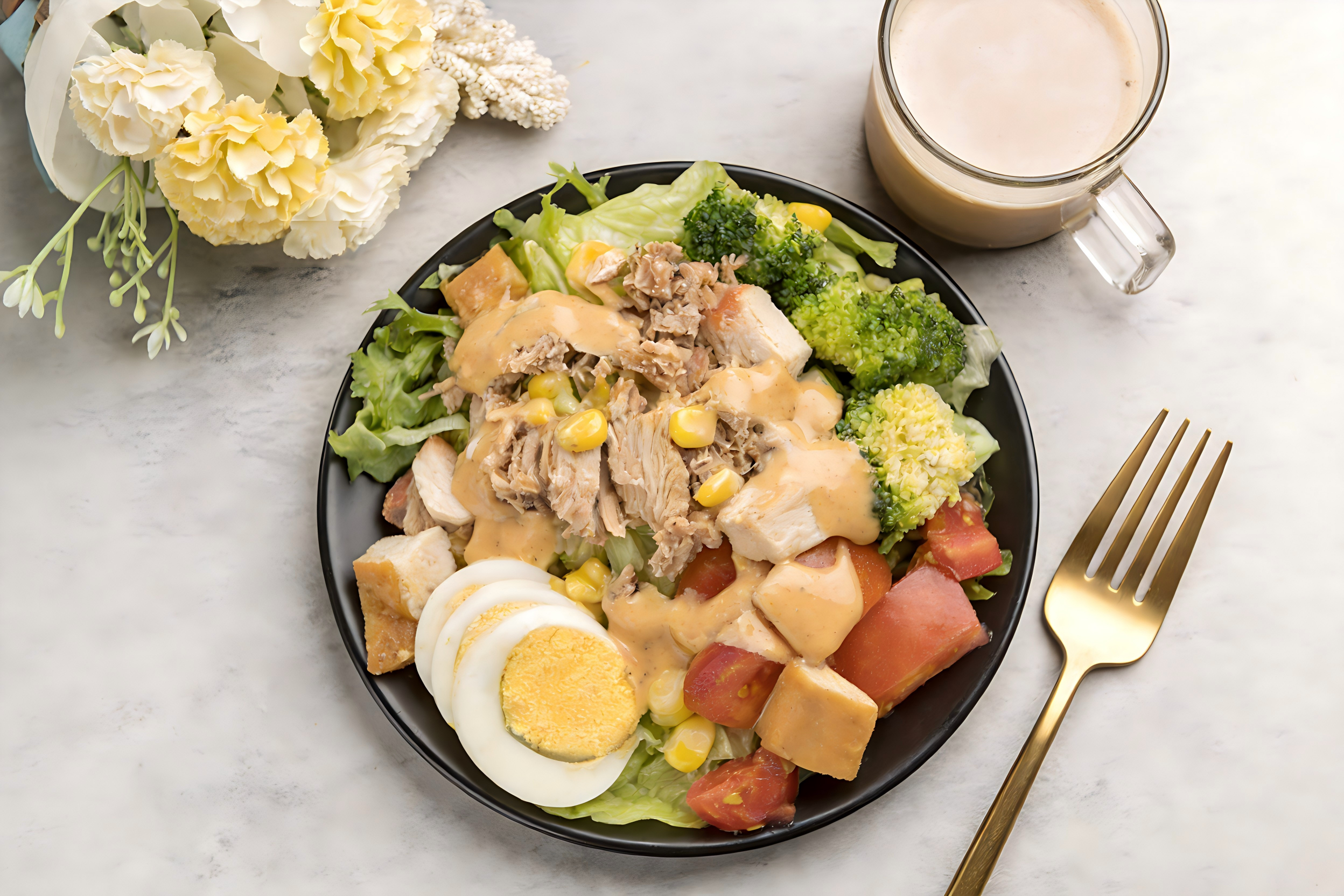
Have you ever finished a meal and felt like you could eat more—only to realize you’ve already consumed a significant number of calories?
This usually happens when your plate is filled with "calorie-dense" foods that don't take up much physical space in your stomach. To lose weight without the constant struggle of hunger, the secret isn't eating less—it's eating smarter by choosing high volume low calorie foods. These foods, typically rich in water and fiber, contain only 10–60 calories per 100 grams, allowing you to fill your plate and your stomach without blowing your calorie budget.
Why "Volume" is the Secret to Fat Loss
Our stomachs have "stretch receptors" that signal fullness to the brain based on the physical volume of food, not the number of calories.
Think about it: a small piece of dark chocolate the size of a coin is about 100 calories. For that same 100 calories, you could eat two giant bowls of lettuce. By choosing foods with low energy density, you can maintain your usual portion sizes while naturally creating the calorie deficit needed for weight loss.
The List of Filling, Low-Calorie Foods
To make this practical, let's break these foods down by category so you can easily swap them into your current meals.
1. High-Water Vegetables (10–40 kcal per 100g)
Vegetables are the undisputed kings of volume eating. Since they are over 90% water, you can pile them as high as you want.
-
Lettuce & Spinach (~15 kcal): The perfect base for any meal.
-
Cucumber (~16 kcal): With 95% water content, these are the ultimate crunchy, hydrating snack.
-
Zucchini (~17 kcal): A versatile vegetable that can be "spiraled" into low-calorie noodles.
-
Broccoli (~34 kcal): High in fiber and plant protein, requiring more chewing and longer digestion time.
2. Low-Sugar Fruits (30–60 kcal per 100g)
Whole fruits provide much more satiety than juices because they retain their fiber structure.
-
Strawberries (~32 kcal): You can eat a whole bowl of strawberries for the same calories as a single bite of a cookie.
-
Watermelon (~30 kcal): Mostly water, making it the perfect sweet treat for weight loss.
-
Apples (~52 kcal): Rich in pectin, which helps you feel full longer and provides a satisfying crunch.
3. Lean Satiating Proteins (50–120 kcal per 100g)
Protein is essential for keeping hunger hormones in check. To get the most volume for your calories, it's best to stick with leaner protein sources like skinless chicken breast, which packs much less fat than darker cuts. Since fat contains 9 calories per gram compared to just 4 for protein, this simple switch allows you to eat a much larger portion without the "caloric penalty" of fattier meats.
-
Chicken Breast (~120 kcal): The "gold standard" for lean, high-volume protein.
-
Egg Whites (~52 kcal): Pure protein and extremely low calorie—perfect for a high-volume breakfast.
-
White Fish (~100 kcal): Species like cod or tilapia are low in fat but provide a lot of volume on the plate.
Beware of "Hidden Calories"
Sometimes, you feel like you're eating nothing but "rabbit food," yet the scale doesn't budge. The culprit is often hidden additions that don't add volume but skyrocket the calories:
-
Cooking oil or olive oil: Two tablespoons of ranch can add 200 calories.
-
Cooking Oil: Just one tablespoon of oil adds 120 calories.
Portion Errors: Studies show that "eyeballing" portions usually underestimates the weight by 20% or more.
Low-Volume Foods That Can Add Calories Fast
These foods can fit into a balanced diet, but small portions add up quickly. Measuring them is often more useful than trying to avoid them completely.
-
Cooking oil or olive oil: Just 1 tablespoon contains about 120 calories. Use a measuring spoon instead of pouring directly from the bottle.
-
Creamy salad dressings: A 2-tablespoon serving can add 120 to 180 calories, depending on the brand and flavor.
-
Mayonnaise: Around 90 to 100 calories per tablespoon. It is easy to underestimate in sandwiches, wraps, and tuna salads.
-
Peanut butter: About 90 to 100 calories per tablespoon. It can be satisfying, but portions can quickly become much larger than intended.
-
Cheese: A small 28g (1 oz) serving usually contains around 100 to 120 calories.
-
Nuts: A 28g (1 oz) handful provides roughly 160 to 200 calories. They are nutritious, but they do not add much physical volume to a meal.
The salad, bowl, or sandwich is rarely the problem on its own. Calories often rise quickly from unmeasured oils, dressings, cheese, nuts, and spreads.
If you want to experience precise food calorie and weight tracking, the arboleaf Smart Nutrition Scale is a great choice. It can identify food through photo recognition and automatically estimate calorie information, while providing highly accurate weight measurements with an error margin of only ±0.3g. It is designed to help you better track your daily nutrition intake and become a reliable companion on your journey toward a healthier diet.
The 50/25/25 Plate Method
Instead of following a restrictive "diet," just change the proportions on your plate:
-
50% Vegetables: For physical volume and crunch.
-
25% Lean Protein: To keep you full for hours.
-
25% Complex Carbs: Like sweet potatoes or brown rice for sustained energy.
Monitoring Your Real Progress
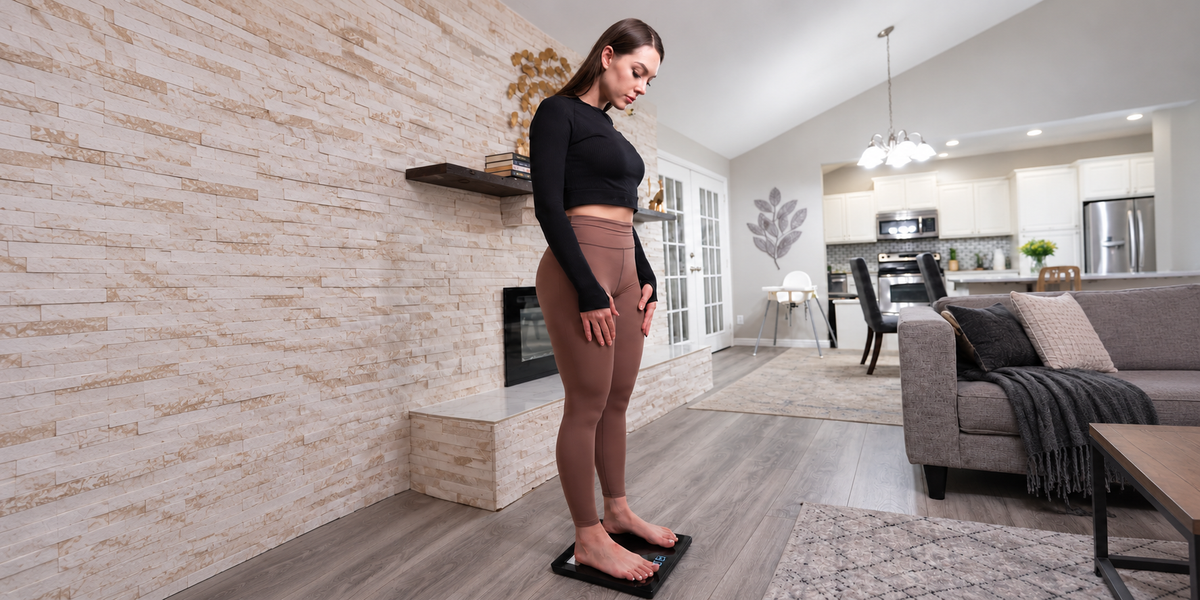
When you switch to a high-volume diet, your weight might fluctuate daily due to water retention from all that extra fiber. To cut through the noise, weigh yourself first thing in the morning after using the bathroom but before eating or drinking; this gives you the most consistent "true" weight and helps you ignore the spikes caused by food and fluid intake throughout the day.
Common Questions About Volume Eating
Q:Can I eat unlimited amounts of these foods?
A:While these foods are very low in calories, the total still matters. However, because they are so filling, most people find it physically difficult to overeat plain vegetables to the point of weight gain.
Q: Will this much fiber cause bloating?
A: If you suddenly increase your fiber intake, you might experience temporary bloating. The key is to increase your vegetable intake gradually and drink plenty of water to help the fiber move through your system.
Q: Are frozen vegetables as good as fresh ones?
A: Absolutely. Frozen vegetables are usually flash-frozen at peak ripeness, preserving their nutrients and fiber. They are a convenient and affordable way to add volume to your meals.
Q: Why do I still feel hungry after eating a big salad?
A: Check your protein. If your meal is only vegetables, your stomach will feel "full" temporarily, but your blood sugar and hunger hormones won't be satisfied. Make sure you are including that 25% lean protein.
Q: Do I need to track every single gram forever?
A: Not necessarily. Using a food scale is most important in the first 2–4 weeks to "re-calibrate" your eyes. Once you understand what a true portion looks like, you can be much more flexible.
Conclusion
Losing weight doesn’t have to mean suffering through hunger. By shifting your focus toward foods that offer more volume for fewer calories, you can stay satisfied and energized. However, remember that weight is just one part of the story.
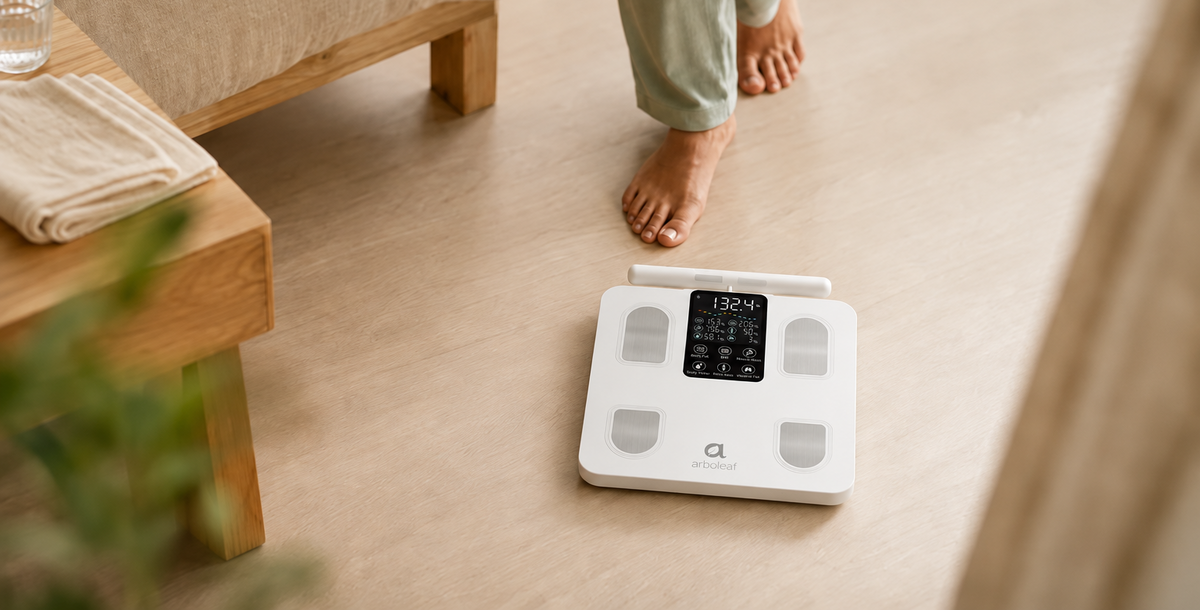
To see if you're actually losing fat or just water, using the Arboleaf Segmental Body Scale CS10E can provide a complete breakdown of your body composition. With the right ingredients and the right data tools, reaching your fitness goals becomes much more sustainable and enjoyable.
Share: