

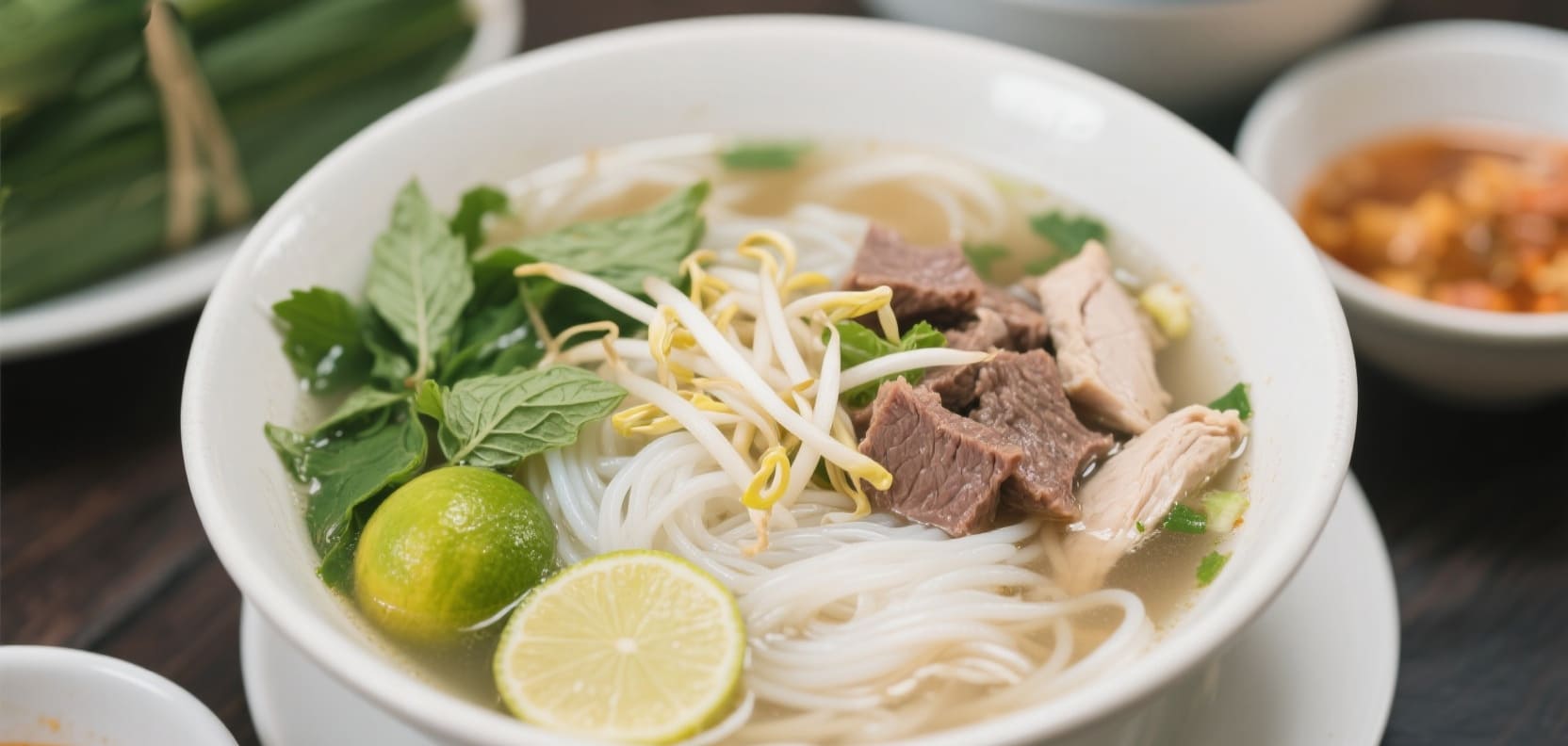
As a beloved Vietnamese noodle soup enjoyed worldwide, pho has become a staple comfort food for many. For anyone focused on weight management or calorie tracking, one question stands out: how many calories in pho?
In short, a standard restaurant serving of pho contains 250 to 550 calories, with classic beef pho typically falling between 350 and 450 calories.
Below is a detailed breakdown of calorie content, nutritional value, and practical adjustments to enjoy pho while maintaining a balanced diet.
You can also use the Arboleaf Food Scale to accurately measure your food portions and track calories, making it a helpful companion for healthier eating.
Average Calories in a Standard Bowl of Pho
A regular serving of pho (approximately 500–600g) is the most common portion size, with calories distributed as follows:
-
Small bowl: 250–350 calories
-
Regular bowl: 350–450 calories
-
Large bowl / Extra toppings: 450–650+ calories
Rice noodles account for 50–60% of total calories, while the clear broth is surprisingly low in calories at just 50–100 calories per bowl. Most additional calories come from fatty cuts of meat, fried garnishes, and sweetened sauces.
Calorie Breakdown by Type of Pho
Calorie content varies significantly based on meat selection, broth, and add‑ons. Here is the breakdown for popular varieties:
1. Beef Pho (Pho Bo)
350–550 calories per bowl
-
Lean cuts (eye round, flank): 350–420 calories
-
Fatty cuts (brisket, oxtail): 450–550 calories
-
Extra beef or meatballs: +80–120 calories
2. Chicken Pho (Pho Ga)
300–450 calories per bowl
-
Skinless chicken breast: 300–380 calories
-
Dark meat or skin-on portions: 400–450 calories
Chicken breast is one of the leanest protein sources used in pho, with very little intramuscular fat. Even when skinless, dark meat such as thigh and drumstick contains 2–3 times more fat than white breast meat, which directly raises its calorie density. When served with skin, the difference becomes even more noticeable: chicken skin is mostly concentrated fat, adding roughly 150–200 extra calories per serving from pure lipid content. This explains why skin-on dark meat pho regularly reaches 400 calories or higher, while skinless breast pho stays closer to 300–380 calories.
3. Seafood Pho (Pho Hai San)
320–480 calories per bowl
Shrimp, squid, and most white fish used in pho are naturally low in fat and high in complete protein. Most raw or lightly cooked seafood contains less than 2–3 grams of fat per 100g, meaning they contribute very little to overall calories on their own. As a result, a standard seafood pho with fresh, unprocessed ingredients stays relatively light.
Calorie levels rise sharply only under two conditions: fried seafood or heavy oil-based broth. Deep-fried items like fried shrimp or squid absorb large amounts of cooking oil during preparation, increasing calories by 150–200 per serving. Similarly, broth cooked with excessive oil, sesame oil, or animal fat adds significant hidden calories and saturated fat, quickly pushing an otherwise light seafood bowl above 450 calories.
4. Vegetarian & Vegan Pho
250–380 calories per bowl
Made with tofu, mushrooms, and vegetable broth, this is the lowest‑calorie option and is ideal for weight management.
Key Nutritional Profile of Pho (Per Regular Bowl)
Beyond calories, pho offers a relatively balanced nutritional profile, with one notable consideration:
-
Calories: 350–450 kcal
-
Protein: 25–35g (supports muscle maintenance and repair)
-
Carbohydrates: 50–65g (primarily from rice noodles)
-
Fat: 8–18g (higher in versions with fatty beef)
-
Dietary Fiber: 2–5g (increased by bean sprouts and fresh herbs)
-
Sodium: 1,500–2,800mg (often over 60% of the daily recommended intake)
Pho provides collagen from bone broth, antioxidants from herbs such as basil and mint, and essential minerals. However, individuals on low‑sodium diets should monitor their intake carefully.
Major Factors Affecting Pho Calories
Four elements have the greatest impact on the total calorie content:
-
Rice Noodles: A standard serving contains 180–220 calories; extra noodles add 100+ calories.
-
Meat Choice: Fatty beef contains 50–100 more calories than lean cuts.
-
Garnishes: Fried shallots or garlic add 50–80 calories; fresh herbs add almost none.
-
Sauces: Hoisin and peanut sauce add 40–70 calories per tablespoon; sriracha and fish sauce are nearly calorie‑free.
Smart Tips for Lower‑Calorie Pho
Simple modifications can reduce calories by 100–200 per serving without sacrificing flavor:
-
Choose lean proteins: Opt for flank steak, skinless chicken breast, or tofu.
-
Modify your noodles: Ask for half noodles or noodles on the side (or substitute with zucchini noodles when cooking at home).
-
Skip the crunch: Avoid fried shallots, garlic, and crispy toppings.
-
Load up on greens: Add extra bean sprouts, Thai basil, lime, and chili peppers.
-
Watch the sauces: Use hoisin and peanut sauce sparingly, or omit them entirely.
-
Control your portion: Order a small bowl instead of a regular or large.
-
For more precise measurement of food calories, we also recommend ourArboleaf CK10G Food Scale.
The biggest advantage of this food scale is its integration with the Arboleaf app. Simply take a photo of your food, and the app can help identify the food and estimate its calories, making it easier to clearly track your daily calorie intake.
With accuracy up to ±0.3 g, it is a reliable companion for portion control, calorie management, and building healthier eating habits.

Frequently Asked Questions About Pho Calories
Q: Is pho suitable for weight loss?
A: Yes, when ordered mindfully. A small, lean chicken or vegetarian pho under 350 calories fits well into a calorie‑controlled diet, offering high protein and fiber to support satiety.
Q: How many calories are in homemade pho?
A: Homemade pho is generally 20–30% lower in calories (280–380 per bowl), as oil, noodle portions, and sodium can be carefully controlled.
Q: Does pho broth contain calories?
A: Very few. Clear broth contributes only 50–100 calories per bowl; most calories come from noodles and meat.
Q: How to reduce sodium in pho?
A: Request reduced‑salt broth, limit broth consumption, and enhance flavor with lime and fresh herbs instead of extra condiments.
Conclusion
A typical bowl of pho contains 350–450 calories, with vegetarian versions as low as 250 calories. As a nutritionally balanced meal, pho can easily fit into a healthy lifestyle with careful ingredient choices and portion control.
Tracking Your Progress
Effective weight and body composition management relies not only on controlling single‑meal calories but also on consistent, data‑driven monitoring of physical changes. Body weight alone cannot fully reflect fat loss or muscle retention, making accurate body metrics an essential part of optimizing diet and fitness plans.
The Arboleaf Smart Body Fat Scale tracks weight, body fat percentage, muscle mass, BMI, and other key health indicators. Through systematic data recording and trend analysis, it provides clear visibility into changes in body composition, moving weight management from guesswork to precise, science‑based tracking. By delivering reliable, real‑time data, it supports smarter dietary choices and helps you reach your health and fitness goals more efficiently.



Share: