

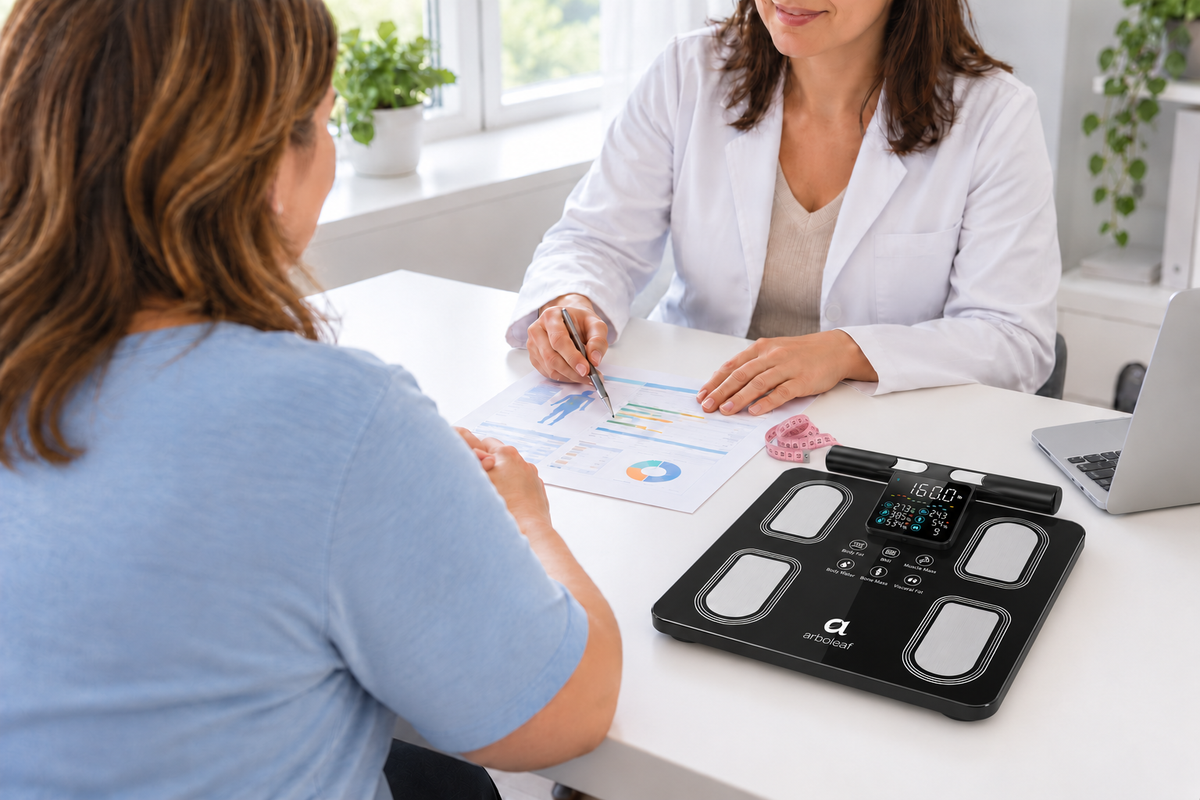
You started Zepbound, but the scale has barely moved. Maybe your appetite has changed and you expected your weight to follow. Or perhaps you lost weight at first and now seem stuck.
If you’re asking, “Why am I not losing weight on Zepbound?”, when the slowdown happened is the first clue. In the early weeks, your treatment may still be taking shape. If you were losing weight and then stalled, your eating habits, activity, or other health factors may need a closer look. Zepbound can help reduce appetite, but weight loss does not follow the same schedule for everyone.
How Does Zepbound Work for Weight Loss?
Zepbound contains tirzepatide, which acts on two hormone receptors called GIP and GLP-1. It helps regulate appetite and can make you feel full sooner, making it easier to eat less. It also slows how quickly food leaves the stomach.
These effects explain how Zepbound supports weight loss. The FDA prescribing information states that Zepbound is used alongside a reduced-calorie diet and increased physical activity. Its dose is raised gradually so your prescriber can consider both your response and side effects.
What do the trial numbers mean? In two different FDA trials, participants taking 15 mg lost an average of 20.9% of their starting weight without type 2 diabetes and 14.7% in a separate study involving people with type 2 diabetes by week 72. Participants also received diet and activity guidance. These long-term clinical trial results are group averages, not targets for your first few months or predictions of your individual result.
Why Am I Not Losing Weight on Zepbound?
The most useful explanation depends on your treatment history. Someone who has just begun taking Zepbound is in a different situation from someone whose weight loss stopped after months of progress.
1. Zepbound may need more time to work.
Changes in appetite can appear before a clear downward weight trend. If you have only been taking Zepbound for a few weeks, your early results may not reflect how you will respond over a longer period.
2. Your dose may still be getting adjusted.
The usual starting dose is 2.5 mg once weekly for four weeks. It is intended for treatment initiation and is not an approved maintenance dose for weight reduction. Under the FDA dosing guidance, your prescriber considers your response and tolerability when choosing a maintenance dose; a higher dose is not automatically right for everyone. 5 mg is also an approved maintenance dose for weight reduction, and people respond differently to it. If you have been taking 5 mg consistently but see little progress, discuss your response with your prescriber rather than assuming you need a higher dose.
3. Your eating pattern may not have changed as much as your appetite.
Feeling less hungry does not always mean you are consuming substantially less overall. Drinks, snacks, calorie-dense foods, and larger portions at other meals can still affect progress. Looking at several typical days of eating may reveal more than judging by hunger alone.
4. Your activity level may have decreased.
A change in schedule or energy can mean fewer walks, less exercise, or more time sitting. Zepbound helps with appetite, while regular movement remains part of the treatment plan described in the FDA prescribing information.
5. Side effects may be disrupting meals or treatment.
Nausea, vomiting, diarrhea, and constipation can change what and when you eat. Persistent symptoms may also make it difficult to take Zepbound consistently or affect decisions about increasing your dose. Tell your prescriber if side effects are interfering with your routine.
6. Missed doses or access problems may have interrupted treatment.
Forgotten injections are one possibility. Refill delays, insurance coverage, and cost can also create gaps. If treatment has been interrupted, include that information when reviewing your progress, and follow the FDA instructions for a missed dose.
7. Another health condition or medication may affect weight management.
NIDDK lists hypothyroidism and polycystic ovary syndrome (PCOS) among conditions that can affect weight. It also notes that some medicines used for depression, diabetes, or high blood pressure may contribute to weight gain. Having PCOS does not mean Zepbound cannot work; it is relevant context for your clinician when assessing your overall health and treatment response.
8. You stopped losing weight on Zepbound after earlier progress.
If you lost weight at first and your trend has since flattened, compare readings taken under similar conditions over several weeks. As body weight falls, energy needs can change, and an earlier eating and activity routine may eventually maintain your weight. A few unchanged weigh-ins alone do not establish a lasting plateau.
What Should You Do If Weight Loss on Zepbound Is Slow?
After considering the possible reasons, choose a next step that fits your situation. A person managing side effects may need a different adjustment from someone whose meals or activity have gradually changed.
Follow your prescribed medication schedule
Check your current dose, how long you have taken it, and whether any injections were missed. If you are early in treatment, ask your prescriber what progress is reasonable to expect at this stage. A weekly reminder may help if remembering your injection is difficult.
If side effects or access problems are causing gaps, tell your care team. Do not increase your dose on your own to try to speed up weight loss.
Review your usual meals
Consider portions, snacks, drinks, and meal timing over several typical days. Aim for meals that remain satisfying when your appetite is lower, including foods that provide protein and fiber.
If nausea makes regular meals difficult, or you are unsure whether you are eating enough, a registered dietitian or your care team can help you develop a plan you can maintain. Start with a practical change rather than an overly restrictive diet.
Build movement into your week
Compare your current activity with what you were doing when you started Zepbound. Walking more regularly may be a manageable first step. If appropriate for you, include strength training to help maintain strength as your weight changes.
The CDC’s adult activity guidance recommends both aerobic and muscle-strengthening activity. Choose a routine that fits your ability and that you can repeat consistently.
Address side effects and other barriers
Let your prescriber know if digestive symptoms, poor sleep, a change in another medication, or difficulty obtaining Zepbound is affecting your plan. These details help them determine which adjustment is likely to be useful.
When Should You Talk to Your Doctor?
Contact your prescriber if:
- You have had little or no progress after several months of taking Zepbound as prescribed.
- You lost weight initially, but your trend has remained flat for several weeks.
- Side effects are persistent or interfere with eating, drinking, or treatment.
- Missed doses, refill problems, or a new health concern are affecting your plan.
Your prescriber can review your dose, response, side effects, other medicines, and health history. They may recommend changes to your plan, nutrition support, or further evaluation.
Bring a short record to your appointment: when you started, dose changes, missed doses, side effects, and your weight trend. A pattern over time gives your care team more to work with than one weigh-in.
How Can You Track Your Progress More Clearly?
A useful record helps you answer two questions: Has your progress truly stopped? And when did the change begin? Weigh yourself under similar conditions and look at trends over several weeks. You can also record body measurements at consistent intervals.
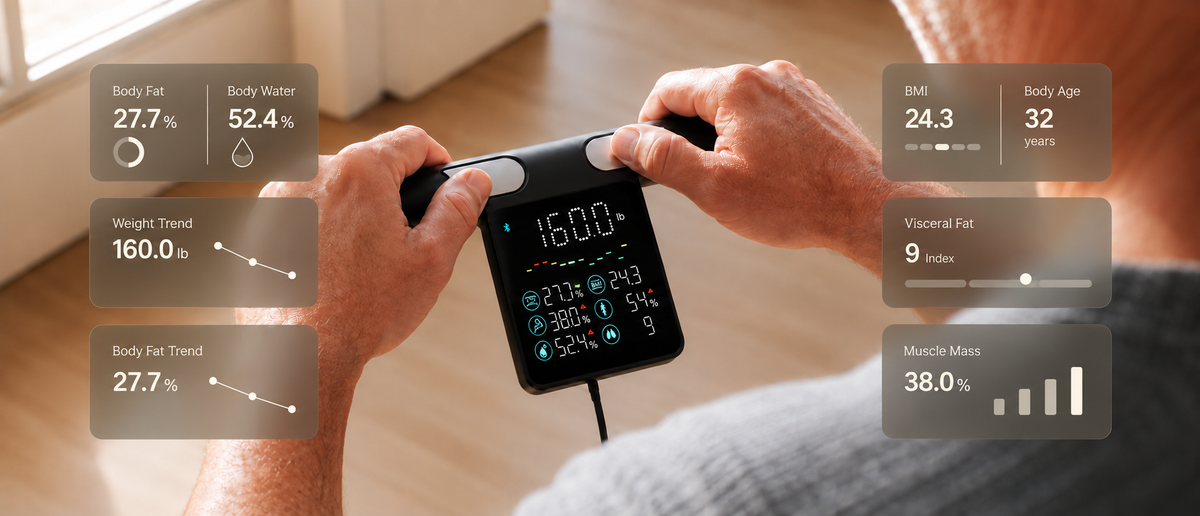
Arboleaf Smart Scales keep your weight history in the Arboleaf app. For people taking Zepbound, the Segmental Smart Scale CS10P follows weight alongside body fat and muscle trends, including changes across different body areas. Its handle display lets you see key results while weighing in. Arboleaf identifies the CS10P as a model suited to users tracking progress with Zepbound or Wegovy.
The current CS10P offer includes a complimentary smart body tape measure that saves circumference measurements in the app. Together, the scale and tape make it easier to review weight, body composition trends, and measurements over time—and to bring a clearer record to a conversation with your care team. Check the product page for the offer when purchasing.
Frequently Asked Questions
How long does it take to see weight loss on Zepbound?
Results vary, and some people notice appetite changes before their weight begins to fall. Because treatment starts at a low dose and increases gradually, the first few weeks may not reflect your longer-term response.
Can you lose weight on 2.5 mg of Zepbound?
Some people do, but 2.5 mg is the initiation dose, not an approved maintenance dose for weight reduction. If your weight has barely changed during the first four weeks, discuss what to expect next with your prescriber.
Why am I eating less on Zepbound but not losing weight?
Eating less often may not substantially change how much you consume overall, especially if portions, snacks, or drinks have stayed the same. Your activity level and normal short-term weight fluctuations may also affect what you see on the scale.
Does PCOS mean Zepbound will not work for me?
No—having PCOS does not establish that Zepbound will be ineffective. Tell your clinician about PCOS and any other health conditions so they can assess your progress in the context of your overall health.
Does a plateau mean Zepbound has stopped working?
Not necessarily; a few unchanged weigh-ins may be a short pause rather than a lasting plateau. If your weight trend stays flat for several weeks, review your routine and treatment plan with your prescriber.
Why am I gaining weight on Zepbound?
A brief increase may reflect normal weight fluctuations or constipation rather than a lasting change. If your weight keeps rising over several weeks, review your treatment schedule and recent habits with your prescriber.
Why am I not losing weight on Zepbound 15 mg?
15 mg is the maximum recommended weekly dose, so do not increase it further on your own. If your weight trend remains flat while taking it as prescribed, ask your prescriber to review your treatment response and other possible factors.
The Takeaway
If you’re asking, “Why am I not losing weight on Zepbound?”, start with your treatment stage and weight trend. Then review your eating habits, activity, side effects, medication consistency, and health history. Make manageable changes, speak with your prescriber when progress remains limited, and keep a clear record of what happens over time.

Share: