

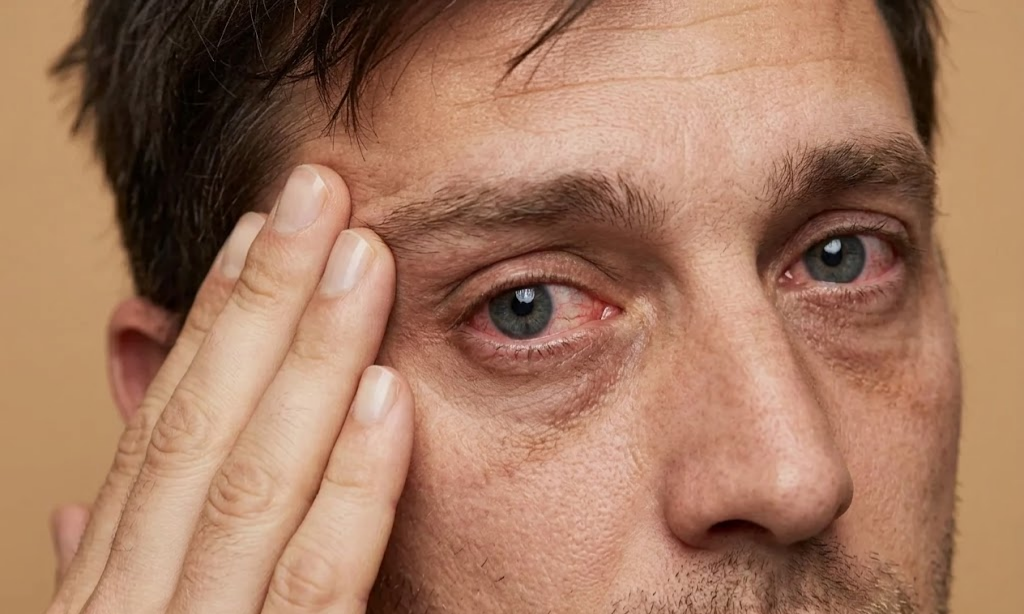
Staring at a screen for hours often leads to a deep, tight, and throbbing sensation behind your eyes. While this heavy feeling is usually a symptom of severe digital eye strain, it is completely normal to worry about your actual eye pressure. After all, chronically high physical pressure inside the eye is the leading cause of glaucoma, a serious condition that can permanently damage your optic nerve if left unchecked.
Whether you are dealing with a temporary screen-induced headache or actively looking to protect your long-term vision, knowing how to reduce eye pressure instantly is a modern necessity. Let's skip the complicated medical jargon and dive straight into the quick actions you can take right now, along with the daily habits that keep your eyes healthy.
Fast Action: How to Reduce Eye Pressure Instantly
If your eyes are throbbing right now, step away from your monitor and try these three immediate relief techniques:
The Palming Method :This is the fastest way to cut off visual stimuli and use your own body heat to relax the optic nerve.
-
What to do: Rub your hands together vigorously until your palms feel warm. Close your eyes and gently cup your warm hands over them, making sure not to press directly on the eyeballs. Hold this dark, warm space for 1 to 2 minutes while taking deep breaths. The heat rapidly relaxes the tight muscles surrounding your eyes.
Intentional Deep Blinking :When you stare at a screen, your blink rate unconsciously drops by over 60%. This causes your protective tear film to evaporate, creating severe dryness and a burning, tight sensation.
-
What to do: Force yourself to do 10 "deep blinks." Squeeze your eyes shut firmly for one full second, then open them wide. This acts like a windshield wiper, spreading fresh, hydrating tears evenly across the surface of your eye to instantly relieve the tight feeling.
The 20-20-20 Rule :Focusing closely on a screen forces the ciliary muscles inside your eyes into a state of continuous, cramping contraction.
-
What to do: Every 20 minutes, look at an object at least 20 feet away for a full 20 seconds. Shifting your focal distance acts as a physical stretch for your internal eye muscles. It breaks the tension and is a highly effective way to reduce eye pressure caused by digital strain.
Long-Term Habits for Healthy Vision
Quick fixes will help you survive the workday, but if you want to stabilize your eye health and lower long-term risks, you need to adjust your lifestyle to support better blood flow.
Eat for Your Eyes :Your eyes require specific nutrients to fight oxidative stress and maintain healthy blood vessels. Incorporate foods rich in antioxidants and Omega-3 fatty acids—such as wild-caught salmon, leafy greens (like spinach and kale), and walnuts. These nutrients protect your retinal cells and promote healthy fluid drainage in the eye.
Watch Your Caffeine Intake :Diet is not just about what you eat, but also what you limit. Many people rely heavily on coffee to push through afternoon fatigue. However, clinical studies have shown that consuming high amounts of caffeine can cause a measurable, temporary spike in intraocular pressure for 1 to 3 hours after drinking it. If you are already at a high risk for eye conditions, swapping that second cup of coffee for decaf or herbal tea is a smart move.
Regular Aerobic Exercise :A sedentary lifestyle negatively impacts your body's overall fluid metabolism. Regular, moderate aerobic exercise—like brisk walking, jogging, or cycling—improves systemic blood vessel elasticity. Keeping your blood flowing efficiently is a proven, long-term strategy for how to reduce eye pressure. Just be sure to avoid heavy inversion exercises (like headstands), as being upside down forces blood to your head and causes pressure to spike.
Warning Signs: When to See a Doctor
While everyday eye tightness is usually caused by muscle fatigue, true high intraocular pressure (Ocular Hypertension) often has no early symptoms until it develops into glaucoma. If your eye discomfort is accompanied by any of the following red flags, do not try to treat it at home—seek immediate medical attention:
-
Sudden, unexplained blurry vision or dark blind spots in your peripheral view.
-
Seeing rainbow-colored halos around streetlights or lamps at night.
-
Severe, localized eye pain accompanied by a headache, nausea, or vomiting.
Getting a comprehensive eye exam regularly is the only reliable way to catch these silent symptoms early.
Common Eye Pressure Questions
Q: Can over-the-counter eye drops reduce eye pressure instantly?
A: Standard lubricating eye drops (artificial tears) can instantly relieve the burning, tight sensation caused by dry eyes and screen fatigue. However, they do not lower actual physical eye pressure. If you need to lower internal intraocular pressure due to glaucoma, you must use specific prescription drops provided by your eye doctor.
Q: Do these instant relief methods work for actual glaucoma?
A: No. Techniques like palming and the 20-20-20 rule relieve the "tight sensation" caused by muscle fatigue and screen radiation. They do not fix medical-grade high eye pressure caused by blocked fluid drainage.
Q: Does sleep deprivation make the pressure feel worse?
A: Yes. Sleep is the crucial time when your eye muscles paralyze to rest, and your optic nerve clears out metabolic waste. Chronic sleep deprivation restricts the micro-blood vessels around your eyes, worsening daytime throbbing and interfering with your body's natural fluid regulation.
Conclusion
In the screen-heavy modern world, eye strain is common, but you do not have to suffer through it. From mastering how to reduce eye pressure instantly with a simple 3-minute routine, to adopting long-term habits like eating Omega-3s and managing your coffee intake, these small adjustments take the heavy burden off your eyes. Protecting your vision is a lifelong process. Don't wait until your eyes are burning to take action—look away from the screen right now and give your eyes the break they deserve.
Partager: