

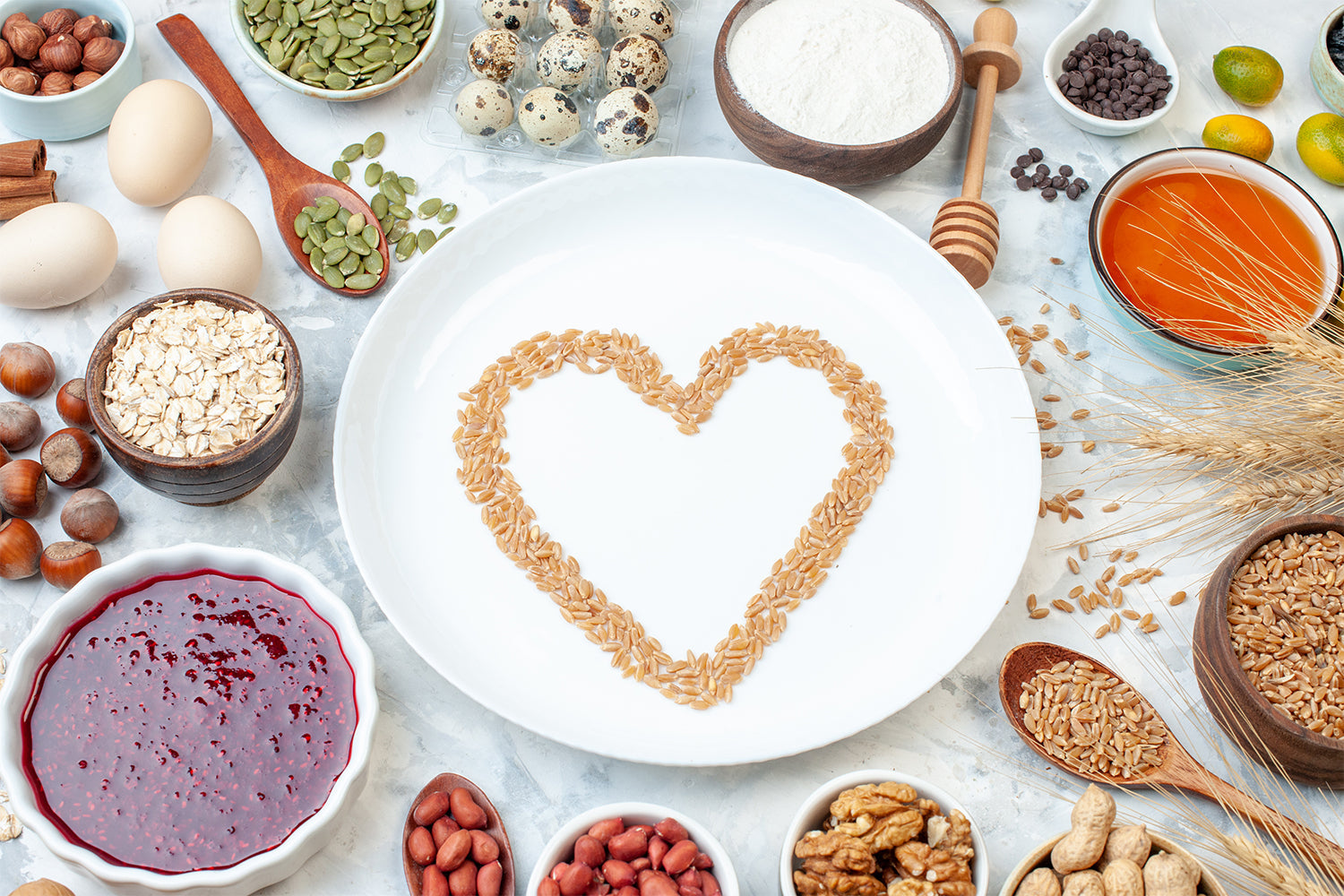
The Undeniable Importance of Breakfast
"Breakfast is the most important meal of the day" is a saying we've all heard. But what kind of breakfast truly benefits our heart? Recent scientific research provides the answer: a balanced breakfast, focusing on portion size and nutritional quality, is essential for maintaining cardiovascular health, especially for seniors.
Numerous studies have linked skipping breakfast or eating an unbalanced one to an increased risk of heart disease. A healthy breakfast can:
- Stabilize Blood Sugar: Avoid significant blood sugar fluctuations, reducing insulin resistance and lowering the risk of diabetes and cardiovascular issues.
- Manage Weight: Increase feelings of fullness, reducing overeating at lunch and dinner, which helps maintain a healthy weight.
- Improve Cholesterol Levels: Help lower bad cholesterol (LDL) and raise good cholesterol (HDL), promoting healthy blood vessels.
- Provide Energy: Fuel both your body and brain, improving productivity and cognitive function.
Key Elements of a Balanced Breakfast
What makes a breakfast "balanced"? Consider these key elements:
- Whole Grains: Choose oatmeal, whole-wheat bread, brown rice, etc. These are rich in fiber, which helps lower cholesterol and stabilize blood sugar.
- Lean Protein: Eggs, Greek yogurt, milk, nuts, and seeds are excellent sources of protein, promoting satiety and maintaining muscle mass.
- Healthy Fats: Include moderate amounts of foods rich in unsaturated fatty acids, such as avocados, fish (like salmon), nuts, and seeds, which help lower cholesterol and protect the heart.
- Fruits and Vegetables: Fresh fruits and vegetables are packed with vitamins, minerals, and antioxidants, supporting overall health.
- Limit Added Sugars and Salt: Minimize sugary drinks and processed foods, and reduce salt intake to help control blood pressure.
Special Considerations for Seniors
Older adults often have slower digestion and metabolism, requiring extra attention to breakfast choices:
- Easy to Digest: Opt for easily digestible foods like cooked oatmeal, soft-cooked eggs, or fruit smoothies.
- Nutrient-Dense: Ensure adequate intake of protein, vitamins, and minerals.
- Smaller, More Frequent Meals: Consider splitting breakfast into two smaller meals to ease digestion.
Sample Breakfast Ideas
- Oatmeal with Berries and Nuts: Oatmeal provides fiber, berries add antioxidants, and nuts offer healthy fats and protein.
- Whole-Wheat Toast with Avocado and Egg: Whole wheat provides complex carbohydrates and fiber, avocado offers healthy fats, and eggs provide protein.
- Greek Yogurt with Fruit and Granola: Greek yogurt is high in protein, fruit adds vitamins and fiber, and a sprinkle of granola adds crunch.
- Smoothie with Fruit, Spinach, and Protein Powder: This is a quick and easy way to get a variety of nutrients.
Conclusion: Prioritize Breakfast for a Healthier Heart
A balanced breakfast not only provides energy but is also a crucial step in protecting heart health. Starting today, focus on the quality and balance of your breakfast for a healthier you and your loved ones.
https://dishonor-thankyou.org/link/f8fdf23914dbb68158846e593fb8c185



Partager: