If you are searching for a Visceral Fat Calculator, you may already know that body weight alone does not tell the full story. You might step on the scale and see a normal number, but still notice extra fat around your belly, thighs, or waistline. That gap between “normal weight” and how your body actually looks and feels is often what leads people to ask a deeper question: where is this fat coming from, and is any of it affecting my health?

One possible answer is visceral fat — the deep abdominal fat stored around your internal organs. Unlike the soft fat under the skin that you can see or pinch, visceral fat is hidden inside the abdominal cavity. Because it is closely linked to metabolic health, inflammation, and long-term disease risk, estimating your visceral fat level can give you a clearer picture than weight or BMI alone.

In this guide, we’ll explain what visceral fat is, how to estimate your visceral fat level at home, how to understand your visceral fat index, and what you can do to reduce visceral fat safely and sustainably.


What Is Visceral Fat? Subcutaneous Fat vs. Visceral Fat

Body fat is not all the same.

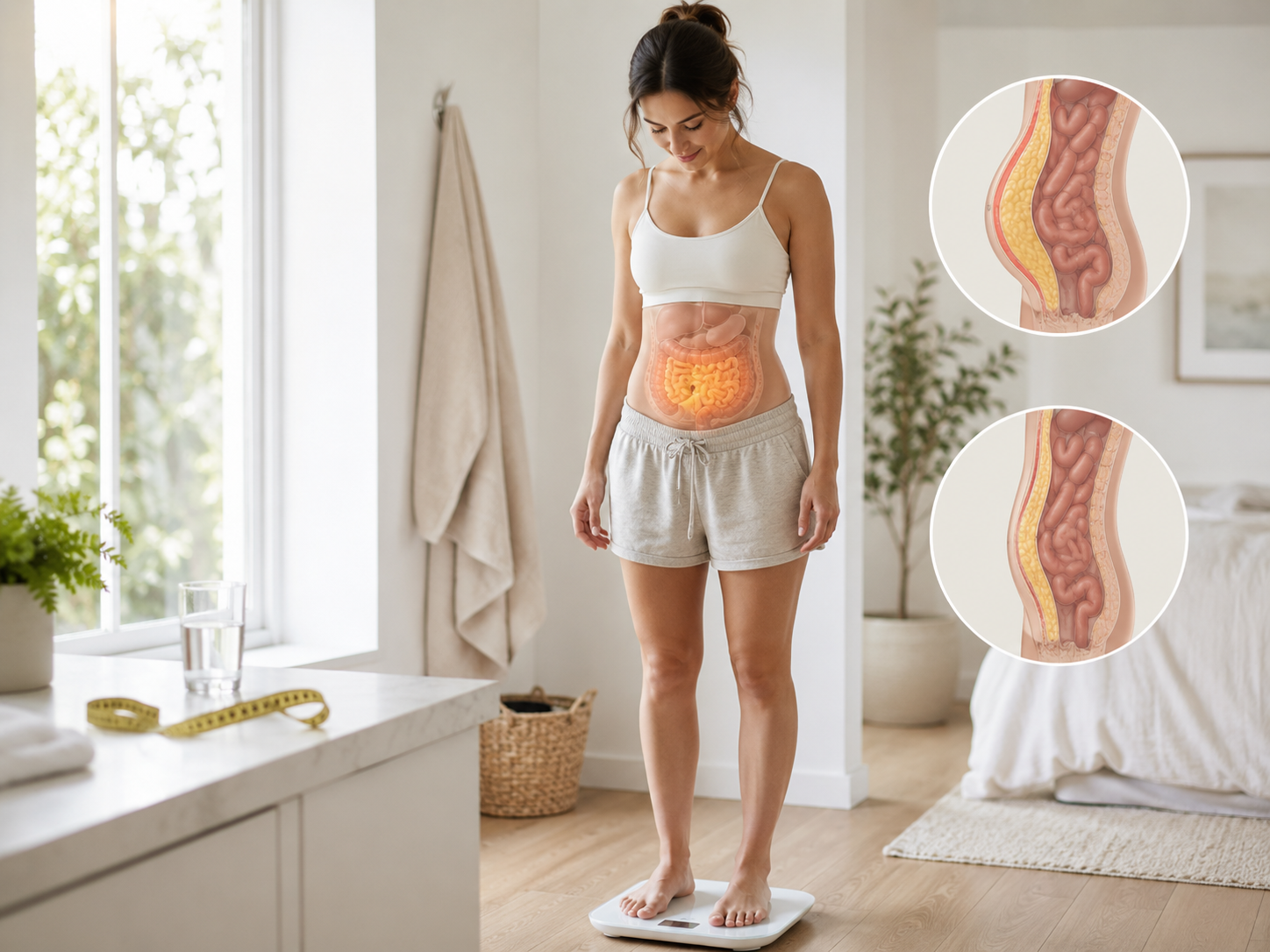
  • Subcutaneous Fat:The fat you can see or pinch around your belly, thighs, arms, or hips is usually subcutaneous fat, which sits just under the skin.
  • Visceral fat:on the other hand, is stored much deeper inside the abdomen, surrounding organs such as the stomach, liver, and intestines.

This difference matters because visceral fat is more closely linked to metabolic health than visible body fat. Even if your weight or BMI looks normal, you may still carry excess visceral fat around your organs. That is why estimating your visceral fat level can give you a clearer picture of your health than body weight alone.

Type of Fat Where It Is Stored What It Looks or Feels Like Main Impact Health Risk
Subcutaneous Fat Under the skin, such as the belly, thighs, arms, and hips Soft fat you can usually see or pinch Affects body shape and appearance Usually less directly linked to metabolic risk than visceral fat
Visceral Fat Deep inside the abdominal cavity, around organs such as the liver, stomach, and intestines Hidden fat you usually cannot see or pinch Affects internal health and metabolism More closely linked to insulin resistance, high blood pressure, type 2 diabetes, and heart disease


How to Estimate or Measure Visceral Fat

Most Visceral Fat Calculators and at-home methods cannot measure visceral fat with medical accuracy. They mainly use body data such as waist size, height, weight, and body shape to estimate risk or track changes over time.

For daily health management, the goal is not a perfect number. The goal is to understand your risk level and see whether your visceral fat trend is improving.

At-Home Estimation Methods: Best for Quick Risk Checks

1. Waist Circumference

Waist circumference is the simplest way to estimate visceral fat risk at home. You only need a measuring tape to measure around your waist near belly-button level. A larger waist size usually means more abdominal fat and a higher possible risk of visceral fat.

This method is free and easy, but it can only help you estimate risk. It cannot give you a specific visceral fat index.

2. Waist-to-Height Ratio / Waist-to-Hip Ratio

Besides waist circumference, you can also use waist-to-height ratio or waist-to-hip ratio to understand how fat is distributed around your body. Compared with body weight or BMI alone, these formulas are better at showing whether fat is concentrated around the abdomen.

Waist-to-height ratio:
Waist-to-height ratio = Waist circumference ÷ Height

For example, 80 cm ÷ 170 cm = 0.47. A common reference point is 0.5. Below 0.5 is usually considered lower risk, while above 0.5 may suggest higher abdominal fat risk.

Waist-to-hip ratio:
Waist-to-hip ratio = Waist circumference ÷ Hip circumference

For example, 80 cm ÷ 100 cm = 0.8. As a general reference, above 0.90 for men or 0.85 for women may suggest higher abdominal fat and metabolic risk.

These ratios are useful for quick screening, but they do not directly measure visceral fat.

3. Online Visceral Fat Calculator

An online Visceral Fat Calculator usually asks for data such as age, sex, height, weight, waist circumference, and sometimes BMI or waist-to-hip ratio.

It estimates visceral fat risk by looking at abdominal fat distribution and overall body composition indicators. Because different calculators use different formulas, the result should be used as a reference, not a diagnosis.

Method Data Needed What It Helps You Understand Best For Limitation
Waist Circumference Waist measurement Whether abdominal fat may be higher than ideal Fast at-home risk check Does not provide a visceral fat index
Waist-to-Height / Waist-to-Hip Ratio Waist, height, and/or hip measurements Whether fat is concentrated around the abdomen Simple formula-based risk estimation Cannot directly measure visceral fat
Online Visceral Fat Calculator Usually age, sex, height, weight, waist, and sometimes BMI or waist-to-hip ratio Estimated visceral fat risk based on body data Quick online estimate Results vary depending on the calculator’s algo


More Accurate Measurement Methods: Best for Trend Tracking or Clinical Assessment

1. Smart Body Composition Scale

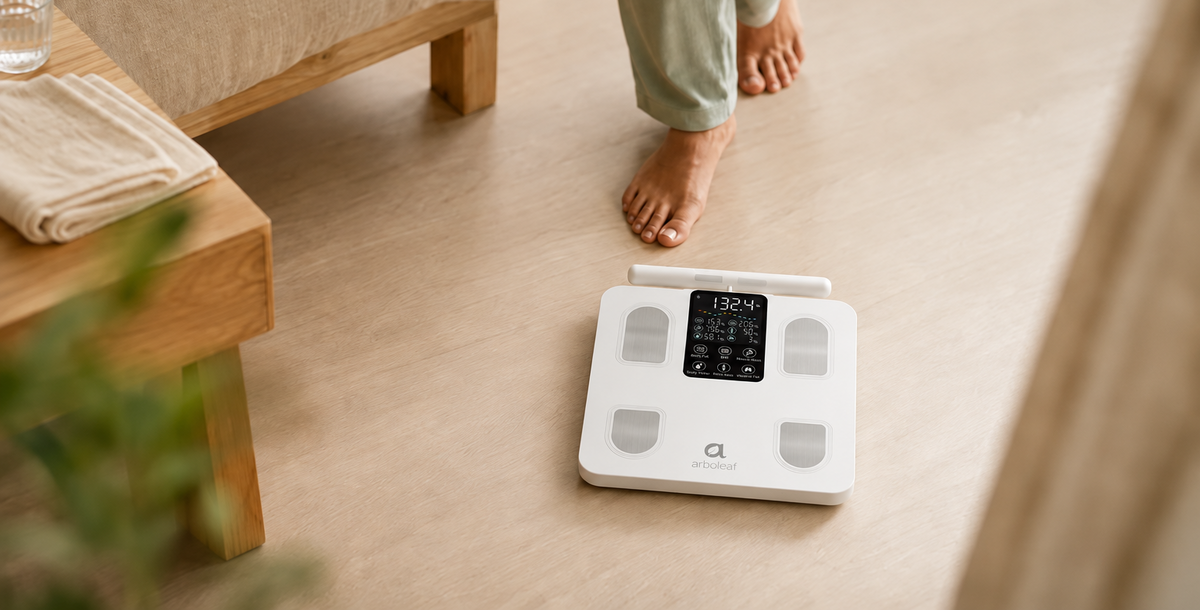
A smart body composition scale uses bioelectrical impedance analysis, or BIA, to estimate body fat, muscle mass, body water, and visceral fat index.

It is not as accurate as medical imaging, and single readings can be affected by hydration, meals, exercise, and timing. But it is affordable, convenient, and repeatable, making it useful for tracking long-term visceral fat trends.

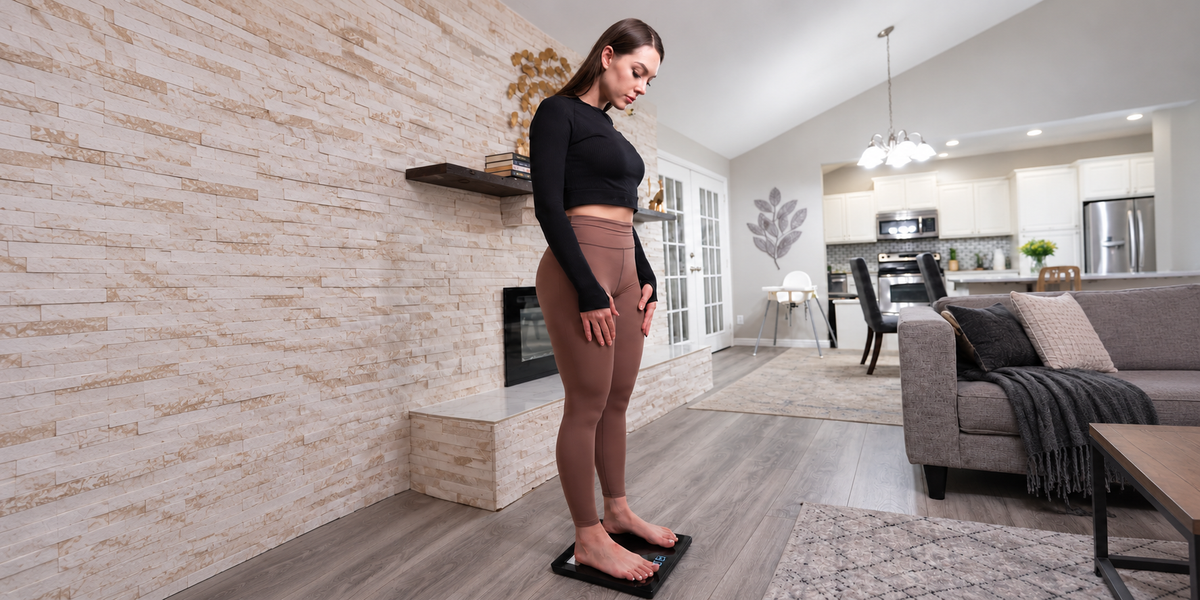
A men using arboleaf smart scale


2. DEXA Scan

A DEXA scan provides a more detailed body composition assessment, including fat distribution. It is more accurate than at-home methods, but it is also more expensive, less accessible, and not practical for frequent tracking.

For most people, a smart scale is better for daily trend tracking, while DEXA is better for occasional professional assessment.

Method Accuracy Best For Main Advantage Main Limitation
Smart Body Composition Scale More accurate than basic formulas for trend tracking, but still an estimate Daily or weekly home tracking Affordable, convenient, and repeatable Affected by hydration, meals, exercise, and timing
DEXA Scan More accurate and closer to clinical-level assessment Professional body composition evaluation Provides detailed fat distribution data Expensive, less accessible, and not suitable for frequent tracking
:::

How to Interpret Your Visceral Fat Results

Once you use a visceral fat calculator or smart scale, you’ll want to understand what your number means. Most smart scales and health tools use a simple, widely accepted scale:

  • 1–9: Healthy range
  • 10–14: Slightly elevated — lifestyle changes recommended
  • 15–59: High risk — significant diet, exercise, and sleep improvements advised

Keep in mind that single measurements can fluctuate based on hydration, meals, stress, and sleep. For the most consistent and useful results:

  • Measure at the same time each day (ideally in the morning, on an empty stomach)
  • Track weekly trends instead of daily numbers
  • Use the same device every time

How to Lower Visceral Fat: Science-Based Strategies

Visceral fat is often responsive to lifestyle changes, especially when you improve diet, exercise, sleep, and stress management.

1. Cut Back on Refined Carbs and Added Sugars

Foods high in refined carbs and added sugar spike insulin levels, which signals your body to store fat deep in the abdomen. Reducing pastries, soda, sweetened drinks, white bread, and processed snacks is one of the fastest ways to lower visceral fat.

2. Do Regular Aerobic Exercise

Cardio and aerobic exercise are strongly associated with reductions in abdominal and visceral fat over time. Aim for:

  • 75 minutes of vigorous exercise per week, such as running, HIIT, or jump rope
  • 150 minutes of moderate exercise per week, such as brisk walking, cycling, or swimming

Swimming is especially effective because your body has to work in two ways at once: it moves continuously against water resistance while also using energy to maintain body temperature in the water. This makes swimming a strong full-body aerobic exercise that can help burn calories and support visceral fat reduction.

For people who do not enjoy running or high-impact workouts, regular swimming can also be a more joint-friendly and sustainable option.

3. Add Strength Training to Boost Metabolism

Muscle tissue burns more calories at rest, which helps lower overall body fat and control visceral fat storage. Include bodyweight exercises, weight lifting, or resistance training 2–3 times per week for long-term fat management.

4. Improve Sleep and Lower Stress

Poor sleep and high stress raise cortisol — a hormone that directly promotes visceral fat accumulation. Aim for 7–9 hours of sleep per night and use stress management tools like deep breathing, stretching, or meditation to support healthy hormone balance.

5. Eat More Protein and Fiber

High-protein foods (chicken, fish, eggs, beans, Greek yogurt) keep you full longer and reduce overeating. Fiber-rich foods (vegetables, fruits, whole grains, nuts) support gut health and help control fat storage. Together, these two dietary changes make fat loss easier and more sustainable.


Frequently Asked Questions (FAQ)

Can I calculate visceral fat accurately at home?

Home methods like waist measurements provide reliable risk estimates, while smart scales offer consistent trend tracking. For exact medical-level precision, clinical imaging is required, but smart scales are more than sufficient for daily health management.

Q:What is a healthy visceral fat level?

A healthy visceral fat level is typically between 1 and 9 on most standard scales. Levels from 10 to 14 are considered elevated, and levels above 15 indicate higher health risk.

Q:Is visceral fat the same as belly fat?

Not exactly. “Belly fat” usually includes both subcutaneous fat (under the skin) and visceral fat (around organs). Visceral fat is the deeper, more health‑critical type.

Q:How often should I check my visceral fat?

For stable trends, measure 2–3 times per week. Daily measurements can fluctuate due to water retention, food, and hormones, so weekly patterns are more meaningful.

Q:Can I reduce visceral fat without exercise?

Diet changes alone can lower visceral fat, but combining diet with exercise produces faster, more consistent results and supports overall health.


Conclusion

A visceral fat calculator or smart tracking tool is more than just a way to check a number — it’s a simple, powerful way to understand and protect your long-term metabolic health. Visceral fat is a critical health marker that weight and BMI alone cannot reveal, making it essential for anyone serious about wellness.

Whether you use a quick manual estimate or a consistent smart scale, tracking your visceral fat helps you make better choices about diet, exercise, and daily habits. Small, sustainable changes often lead to meaningful reductions in visceral fat and clear improvements in energy, mood, and overall health.If you are ready to stop guessing and start measuring your true progress, consider letting an Arboleaf smart scale be the reliable partner on your wellness journey.

Latest Stories

このセクションには現在コンテンツがありません。サイドバーを使ってこのセクションにコンテンツを追加してください。