

If you’re wondering when is the best time to weigh yourself, the usual recommendation is in the morning, after using the bathroom and before eating or drinking anything. Following a consistent morning measurement routine makes it easier to compare readings under similar conditions.
Timing is only part of useful weight tracking. Where you place your scale, how you stand and how you record your results also matter. Whether you use a basic bathroom scale or a smart scale, a repeatable routine helps turn individual readings into a clearer picture of your progress.
When Is the Best Time to Weigh Yourself?
Morning generally offers the easiest conditions to repeat, but evening weigh-ins can still fit your routine. Understanding the difference helps you choose a schedule and interpret your readings.
Weigh Yourself in the Morning for Consistent Readings
A morning weigh-in takes place before breakfast, coffee and most daily activities. After using the bathroom, step on the scale wearing little clothing or a similar lightweight outfit each time.
You don’t need to choose an exact minute. Weighing yourself at the same point in your morning routine is a practical way to keep conditions consistent.
The best time to weigh yourself should help you establish a useful comparison rather than find the lowest number of the day.
Why Your Evening Weight May Be Higher
By evening, you’ve eaten meals, consumed fluids and moved through your daily activities. These changing conditions can affect your weight. A higher evening reading does not automatically mean you gained that amount of fat.
If you’re deciding whether to weigh yourself in the morning or at night, morning is usually simpler to standardize. If evenings work better, choose a repeatable point in your routine and compare evening readings with other evening readings.
Switching between morning and night makes it harder to distinguish lasting changes from normal daily variation.
What Causes Weight Fluctuations on the Scale?
Weight fluctuations can happen even when you use the same scale correctly. Three common situations can affect your reading:
-
After eating or drinking: Food and liquids temporarily add to your weight. For consistent tracking, weigh yourself before breakfast rather than comparing a post-meal reading with an empty-stomach measurement.
-
After exercise: Your body can lose fluid through sweating, temporarily lowering your weight. That immediate drop does not directly measure fat loss.
-
After salty meals or around your period: Excess sodium can contribute to water retention and temporary weight gain. Menstrual changes can also bring bloating and fluid-related changes.
Whether you’re deciding to weigh yourself before or after eating or exercise, choose the same point in your routine. Keep eating and drinking normally rather than trying to produce a lower number.
How to Weigh Yourself Accurately
Your scale’s setup and your posture matter alongside timing. Follow these simple steps:
- Choose a hard, flat floor: Avoid carpet and uneven surfaces.
- Use the same scale: Keep it in the same suitable location.
- Keep clothing consistent: Wear little clothing or a similar lightweight outfit.
- Stand still: Balance your weight evenly on both feet and wait for the reading to settle.
- Follow the measurement instructions: For body composition, stand barefoot on the contact areas and hold the handle correctly if your scale has one.
These habits align with guidance to use a firm, level floor, similar clothing and an even standing position when recording your weight.
With Arboleaf Smart Scales, a repeatable measurement routine provides a useful foundation for following weight, body fat and muscle trends. Correct positioning and consistent conditions make your records easier to compare over time.
How Often Should You Weigh Yourself?
Daily and weekly weigh-ins can both support a regular tracking habit. Choose a frequency that provides useful information without making every reading feel like a judgment.
Should You Weigh Yourself Every Day?
Daily weighing can suit people who want to understand their usual ups and downs. One scheduled measurement per day is enough for routine tracking; repeatedly checking throughout the day mainly captures changing conditions.
If you record daily weights, consider comparing weekly averages. Averaging your measurements helps reduce the influence of individual highs and lows, making the overall direction easier to follow. You can calculate this separately while using your app’s trend charts to review your records.
Is Weighing Yourself Once a Week Enough?
Weekly weighing can be a practical choice if you prefer fewer check-ins. Choose the same day, time and measurement conditions, then look at the pattern across several weeks. NHS guidance also recommends looking for changes over several weeks rather than getting discouraged by individual ups and downs.
Either schedule requires patience. Consider an unexpected reading alongside previous and future measurements. If weighing yourself causes persistent anxiety or changes how you eat, take a break and discuss it with a healthcare professional.
How to Track Your Weight With a Smart Scale
A regular weigh-in becomes more useful when you can review what happened over time. A smart scale connects your measurement routine with an organized record of your results.
Track Your Weight Trends Over Time
Arboleaf Smart Scales work with the Arboleaf app to keep measurements together and display trends. Instead of relying on memory, you can review how your weight has changed across weeks and months. Core measurement viewing and progress tracking are available without a subscription.
For example, one higher reading after a restaurant meal may look less concerning when your longer trend remains steady. A sustained change across several weeks gives you more reason to review your routine.
Follow Body Fat and Muscle Mass Trends
Total weight cannot tell you how much of a change comes from fat, muscle or water. This matters when you’re combining weight management with strength training.
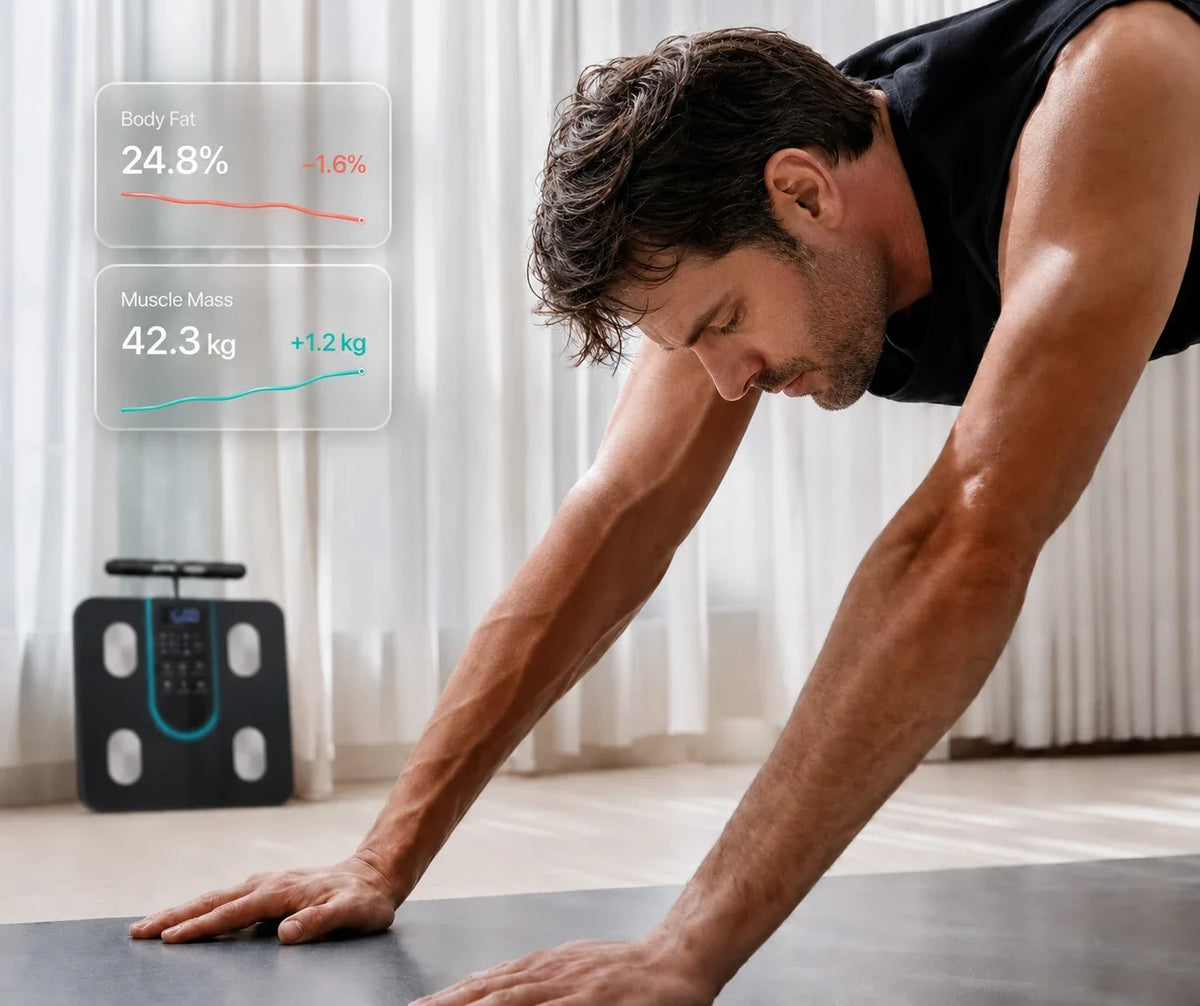
Arboleaf Smart Scales let you follow body fat percentage, muscle mass and body water alongside weight. Segmental models also provide fat and muscle insights for your arms, legs and torso, adding context to your overall body composition report.
Keep measurement conditions similar and review these metrics over time. Research shows that hydration can influence body composition readings, so a single change should not be interpreted as definite muscle gain or fat loss. Consistent check-ins make longer trends more useful.
Frequently Asked Questions
Should You Weigh Yourself Before or After Coffee?
Before coffee is generally easier to keep consistent. Weigh yourself after using the bathroom, then continue with your usual breakfast and drinks.
What Is the Best Day to Weigh Yourself?
There is no single best day for everyone. If you weigh weekly, choose a day you can repeat consistently rather than switching dates to find a lower reading.
When Is the Best Time to Use a Smart Scale?
For weight tracking, morning after using the bathroom and before eating or drinking is a practical routine. For body composition, also follow your device’s instructions and maintain similar hydration and activity conditions.
Build a Consistent Weigh-In Routine
If you’ve been asking “when is the best time to weigh yourself,” start with a consistent morning check-in. Use the same scale, keep conditions similar and give your records time to show a pattern.
Arboleaf Smart Scales and the Arboleaf app help bring those check-ins together, so you can follow weight and body composition trends as part of your everyday routine.
Share: