

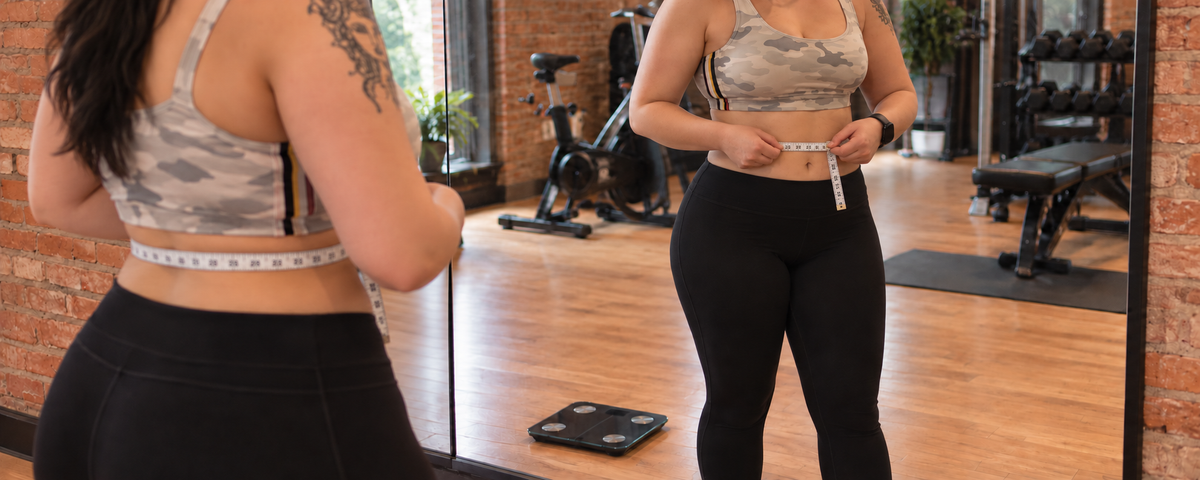
Zepbound weight loss can bring noticeable changes to your body. Following your progress means tracking how much you weigh alongside information about body fat, muscle, and other aspects of body composition. A body composition scale makes those regular check-ins easier to manage at home.
For people taking Zepbound or another GLP-1-based medication, Arboleaf Smart Scales bring weight and body composition records together. Following these measurements over time can help you understand your progress and prepare more useful questions for your healthcare provider.
How Does Zepbound Work?
Zepbound is a prescription medication containing tirzepatide, used for weight management in eligible adults with obesity or overweight and a weight-related health condition. It works by activating both GIP and GLP-1 receptors, which are involved in appetite regulation.
By reducing appetite and calorie intake, Zepbound can support weight loss. It is prescribed alongside a reduced-calorie diet and increased physical activity, with a healthcare professional overseeing treatment.
As your weight changes, tracking body composition adds useful context. Two people who lose the same amount of weight can experience different changes in fat and lean tissue. Understanding those changes helps you focus on the quality of your progress as well as its size.
Why Does Body Composition Matter During Zepbound Weight Loss?
Body composition describes the different components of your body, including fat and lean tissue. Tracking these components helps explain changes that a total weight reading cannot show on its own.
In a SURMOUNT-1 body composition substudy, researchers used DXA scans to assess participants over 72 weeks. Approximately 75% of the weight lost with tirzepatide was fat mass and 25% was lean mass. A similar proportion was seen in the placebo group.
These are study averages, not a prediction of your individual results. Lean mass includes muscle, organs, water, and other nonfat soft tissues, so the 25% figure should not be described as 25% muscle loss.
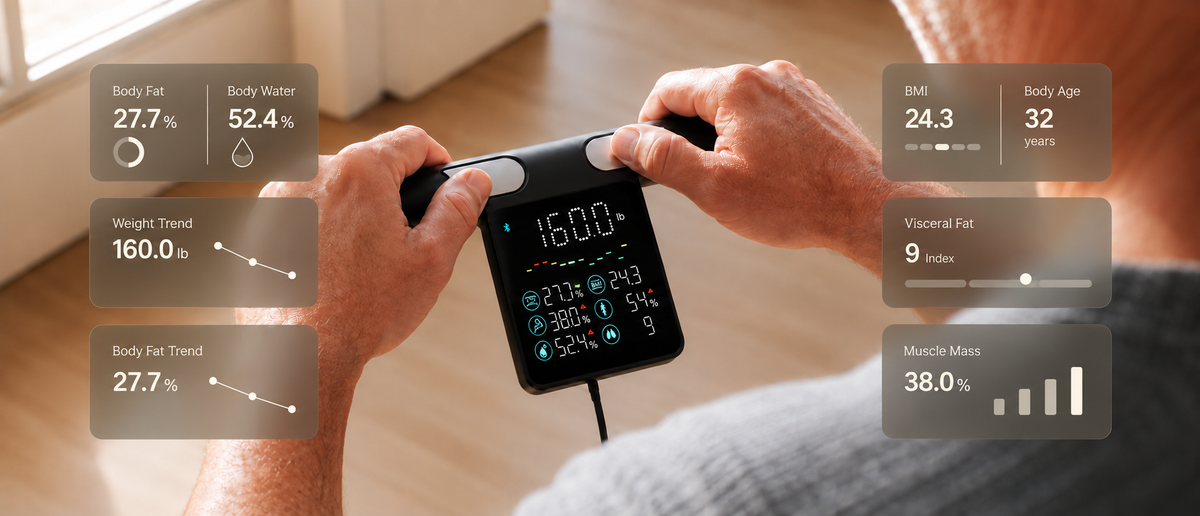
Each measurement helps answer a different question about your progress. With Arboleaf Smart Scales, you can review these estimates alongside your weight and follow how they change over time.
1. Muscle Mass
-
The question it answers: “Am I holding on to muscle as I lose weight?”
-
When it matters most: When weight is dropping and you want to check muscle-related trends alongside your strength and daily activity.
-
How to use it: Review several weeks of readings. A persistent decline, especially with reduced strength, is something to discuss with your clinician or dietitian.
2. Fat Mass
-
The question it answers: “Is the weight I’m losing coming from fat?”
-
When it matters most: Throughout treatment, including periods when the number on the scale changes slowly.
-
How to use it: Follow fat mass and body fat percentage alongside total weight. Reviewing their trends together provides more context than a weight reading alone.
3. Visceral Fat
-
The question it answers: “What about the fat around my organs?”
-
When it matters most: When you want to follow an aspect of body composition that weight and appearance cannot show.
-
How to use it: Track the estimated indicator over time alongside overall body fat. It adds context, but cannot establish whether your metabolic health has improved.
4. Body Water
-
The question it answers: “Could water be affecting today’s weigh-in?”
-
When it matters most: When weight changes suddenly over a day or two.
-
How to use it: Compare readings taken under similar conditions in the Arboleaf app. Body water estimates may help put fluctuations in context; they do not directly tell you whether you are drinking enough.
5. Basal Metabolic Rate (BMR)
-
-
The question it answers: “How might my resting calorie needs be changing?”
-
When it matters most: As your weight and body composition change over the course of treatment.
-
How to use it: Treat estimated BMR as context for a nutrition discussion. It represents resting energy needs, rather than your total daily calorie needs or a personalized eating target.
-
Arboleaf Smart Scales organize these body composition indicators in the app, making it easier to review how your measurements change together over time.
What Can a Smart Scale Measure That a Regular Scale Can’t?
A regular bathroom scale shows your total weight. You can record those readings to follow weight change, but they do not reveal how your body composition is changing.
A body composition scale uses bioelectrical impedance analysis, or BIA, to provide additional information about fat, muscle, and body water. Arboleaf Smart Scales also provide visceral fat indicators and segmental analysis, adding a view of fat and muscle across your arms, legs, and torso. During treatment, these measurements offer more context than weight alone.
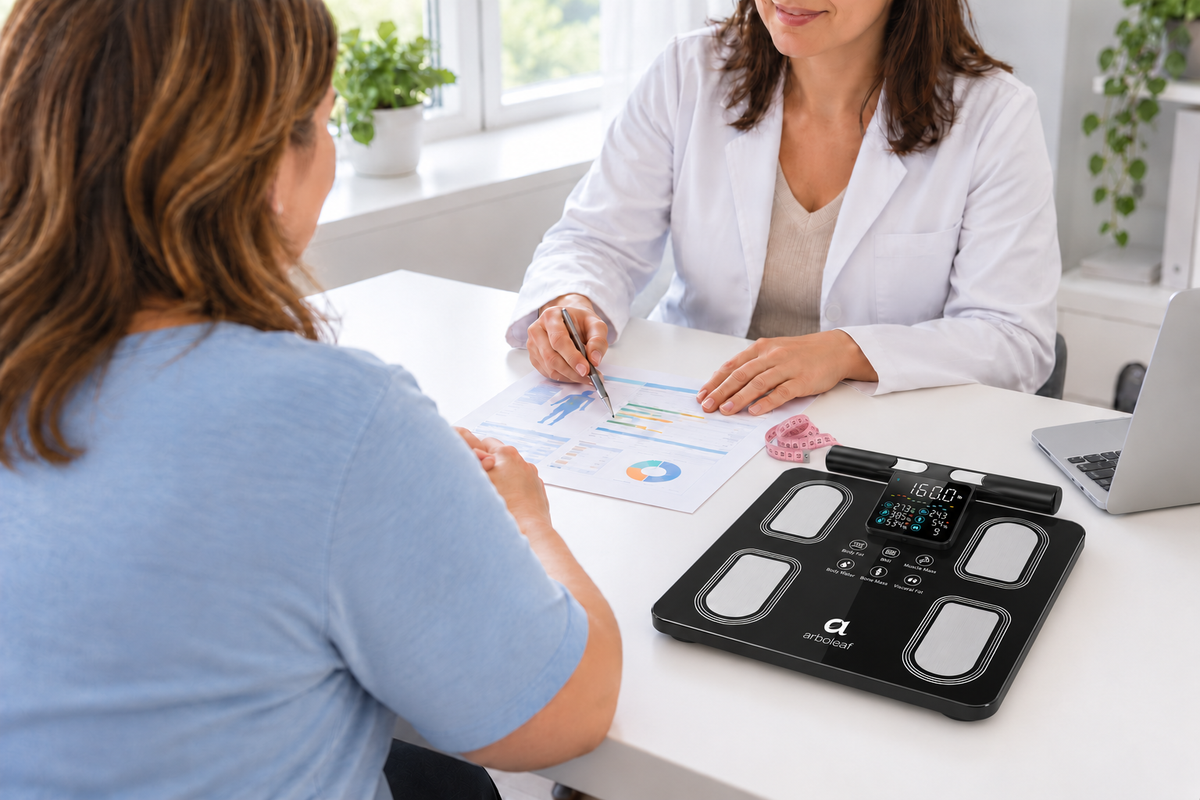
Consistent home measurements turn individual readings into a longer-term record. A professional assessment can provide a detailed reference point, while repeatable home check-ins help you follow trends between appointments. The free Arboleaf app keeps weight and body composition records together, so you can review changes across weeks and months without manually organizing every result.
How to Track Your Progress at Home
A useful tracking routine should be easy to repeat. Start with a consistent way to measure, then give the records enough time to show a pattern.
Establish a starting point
Record your weight and body composition near the beginning of your tracking routine. If you have already started Zepbound, you can begin recording now and build a reference for future check-ins.
Keep measurement conditions consistent
Use the same scale on a hard, level surface, with bare feet and similar clothing. A morning check-in after using the bathroom and before breakfast can be a convenient routine.
BIA readings can be influenced by hydration, recent food intake, and physical activity. Comparing measurements taken under similar conditions makes changes easier to interpret.
Review several weeks of data
Use the Arboleaf app to follow weight, body fat, and muscle-related trends together. A few days of fluctuation can be difficult to interpret, while a longer record gives you more context.
You can also keep brief notes about changes in appetite, meals, activity, or strength. These observations help you prepare questions if a trend persists or seems unexpected.
Support your tracking with everyday habits
A joint advisory from four professional organizations emphasizes appropriate nutrition, adequate protein, and resistance training to support muscle and bone health during GLP-1 therapy.
Ask your clinician or dietitian how those habits should fit your needs. Your body composition records can support that conversation, alongside your strength, symptoms, and other clinical information. Medication changes should be discussed with the prescriber managing your treatment.
Frequently Asked Questions
How often should I weigh myself while taking Zepbound?
Follow any monitoring plan your healthcare provider recommends. Otherwise, choose a schedule you can maintain comfortably, use consistent measurement conditions, and focus on longer-term patterns.
Can a smart scale show muscle mass trends?
Yes. A BIA smart scale provides muscle-related estimates that can be followed over time. Interpret them alongside strength and activity, and discuss persistent changes with your healthcare provider.
Is body composition tracking useful during a Zepbound weight loss plateau?
It can provide additional context when weight changes slowly. Compare longer-term weight and body composition trends under consistent conditions, and ask your clinician about a sustained plateau rather than drawing conclusions from a few readings.
Make Your Progress Easier to Follow
Zepbound weight loss is easier to understand when you have a consistent record of weight and body composition. Following fat and muscle-related trends, alongside nutrition, activity, and professional guidance, gives you useful information throughout treatment.
With Arboleaf Smart Scales and the free app, regular home check-ins become an organized record you can return to as your goals and body change.
共有: