

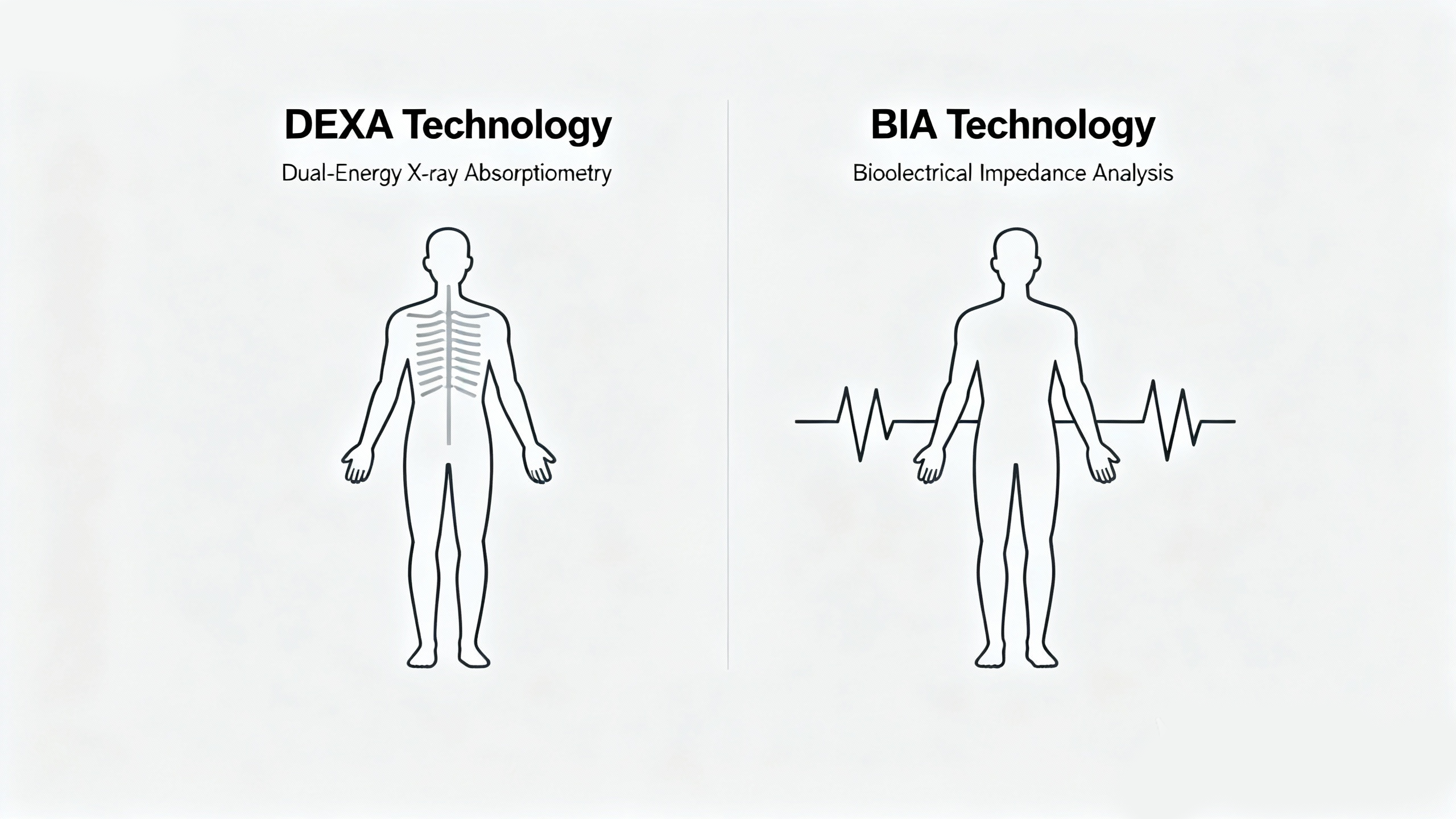
With increasing awareness of personal health, more people are paying attention to body fat percentage, muscle mass, visceral fat, and other health metrics. The main technologies for measuring body composition are Dexa Scan and BIA (Bioelectrical Impedance Analysis). Each technology has its unique features, advantages, and limitations. Understanding these differences can help you choose the right device for your needs.
What is Dexa Scan
A Dexa Scan, also known as Dual Energy X-ray Absorptiometry, is one of the most precise methods for measuring body fat and bone density. What is Dexa Scan often asked by those who want detailed health insights. It uses two different energy X-ray beams to measure how body tissues absorb X-rays differently, distinguishing between bone, fat, and lean mass.
How Dexa Scan Works
A Dexa Scan sends low-dose X-rays through the body at high and low energy levels. Bone tissue absorbs more X-rays, fat tissue absorbs less, and lean tissue such as muscle and water absorbs a medium amount. The device measures X-ray absorption at each body part and uses algorithms to calculate bone mass, fat mass, and lean mass for each region.
Measurement Scope and Data
A dexa body scan provides full body composition analysis and can also measure specific regions. It can evaluate:
- Upper and lower limbs, torso, and abdominal fat distribution
- Visceral fat
- Bone density and bone mass
- Overall body fat percentage and lean mass ratio
The ability to measure both overall and regional composition makes Dexa Scan ideal for professional health management, sports rehabilitation, and scientific research.
What is the Use of Dexa Scan
A Dexa Scan provides a detailed body composition report, showing fat mass, muscle mass, and bone mass across the whole body and in specific areas. It helps users understand the distribution of body fat, for example, abdominal fat percentage or muscle mass in arms and legs.
DEXA is considered one of the most reliable methods for body fat measurement in medicine. It accurately distinguishes fat, muscle, and bone, making it suitable for research, sports rehabilitation, and clinical assessment.
However, dexa scan cost is relatively high. Appointments at professional institutions are required, and it is not convenient for daily home monitoring. In California, how much is a Dexa Scan typically ranges from one hundred to two hundred dollars depending on the facility and type of scan.
What is BIA
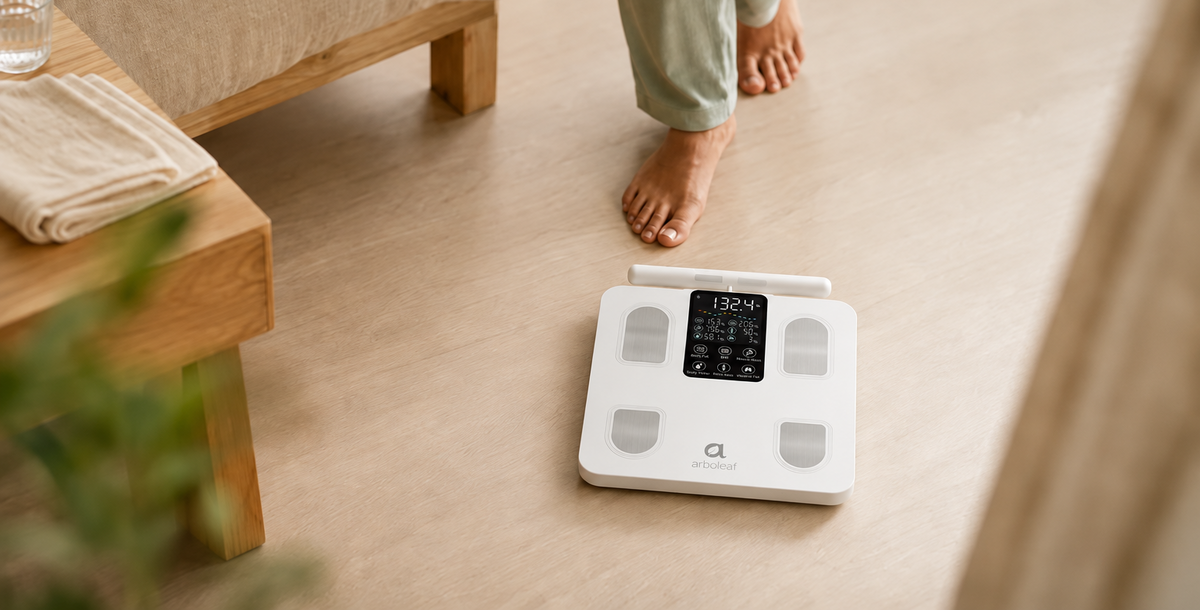
BIA (Bioelectrical Impedance Analysis) measures body composition by sending a very low electrical current through the body and calculating resistance. Modern smart body scales, such as the Arboleaf CS10E, use BIA technology to measure body fat, muscle mass, and other metrics at home. Unlike Dexa Scan, BIA does not require professional operation and is very user-friendly for daily use.
What is the Use of BIA
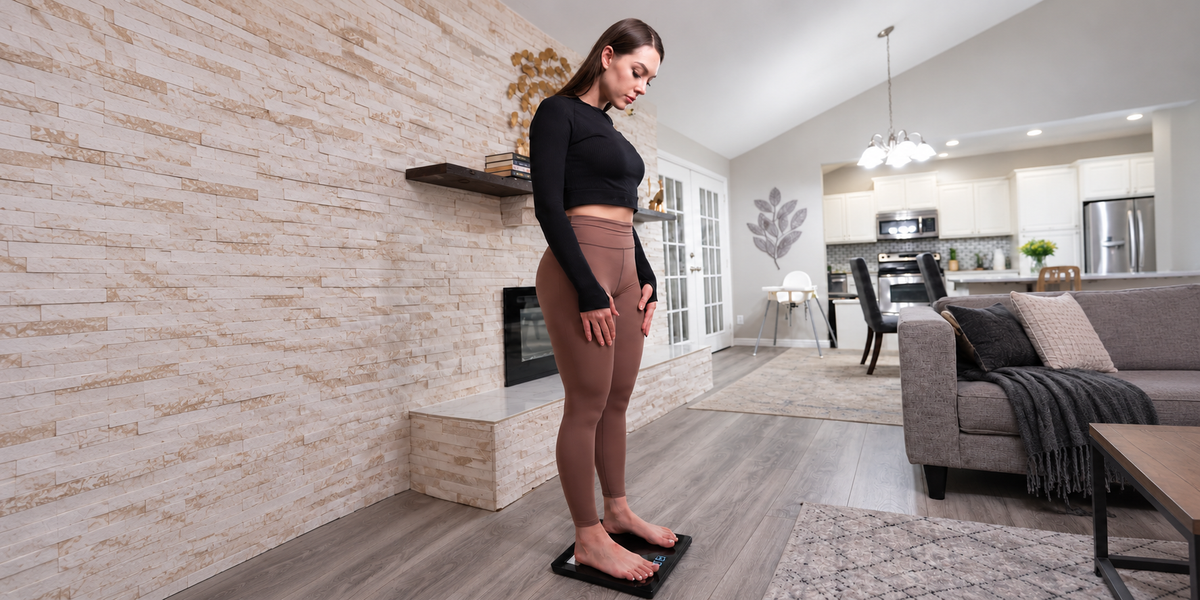
BIA can measure body fat percentage, muscle mass, visceral fat, body water, and basal metabolic rate. It allows users to monitor their body condition and adjust diet or exercise plans accordingly. The main advantages of BIA include simplicity, speed, and no need for professional training.
With smart scales, data can be synced to an app for long-term tracking, allowing you to observe trends in body fat and muscle mass over time. While BIA is slightly less accurate than Dexa Scan, it is highly practical for everyday health management and fitness tracking.
Dexa Scan vs BIA: Advantages and Disadvantages
Dexa Scan is highly accurate, medically recognized, and capable of measuring bone density and regional fat distribution. However, it is expensive, requires professional operation, and is almost exclusively available in specialized facilities. BIA, in contrast, is convenient, can be self-administered, and allows long-term tracking of multiple health metrics. Its disadvantage is that accuracy can be influenced by hydration, food intake, and measurement conditions.
When choosing a technology, consider your purpose, budget, and usage scenario. Professional research or medical needs recommend Dexa Scan, while for daily home monitoring and fitness tracking, BIA is more suitable.
Which Technology or Device Should You Choose
If you want to measure body fat, muscle mass, visceral fat, and other health metrics at home and track changes over time, BIA smart scales are the best choice. For example, the Arboleaf CS10E eight-electrode smart body scale can measure more than thirty health metrics. Measurement is simple—just step on the scale—and data can sync to an app, providing detailed information, trends, and history, giving users a comprehensive understanding of their body.
If you require medical-grade accuracy or professional assessment, a Dexa Scan at a specialized facility is the most reliable option. For most home users and fitness enthusiasts, a BIA smart scale like the Arboleaf CS10E offers convenience, comprehensive data, and sufficient accuracy for daily monitoring.
Conclusion
Dexa Scan and BIA both have advantages. Dexa Scan offers high accuracy and is ideal for research or medical purposes. BIA is simple to use and perfect for home monitoring and fitness tracking. Selecting the right technology based on your goals, usage environment, and budget will help you effectively manage your health and track body composition.
Share: