

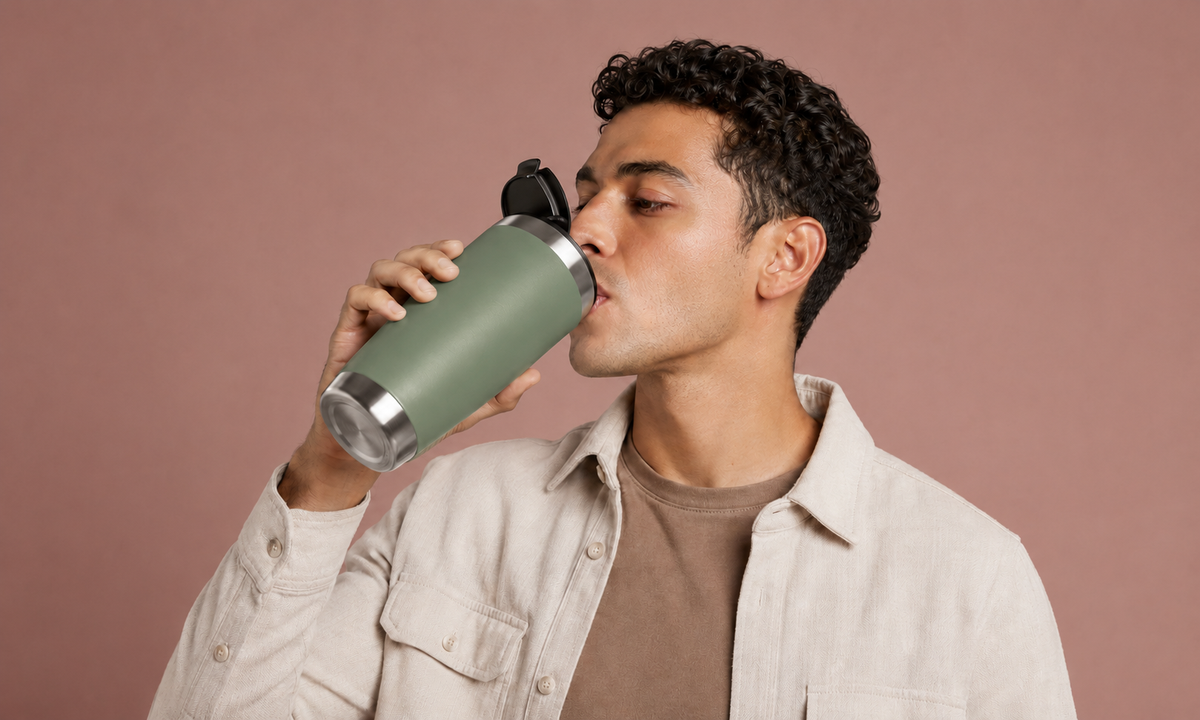
You keep a water bottle at your desk, refill it after lunch, and bring it along to the gym. But by evening, it can still be hard to tell whether you’ve had enough. At some point, you’ve probably asked: How many water bottles should I drink a day?
For many healthy adults, around four to six standard 16.9 oz (500 mL) bottles a day is a useful reference when plain water is your main drink. Coffee, tea, and milk count toward that amount, so you may need fewer bottles. This estimate accounts for water from food, using the National Academies’ general intake figures.
The easiest way to find your own number is to understand what counts, check your bottle size, and adjust for your day.
How Much Water Should I Drink a Day?
You’ve probably heard the advice to drink eight glasses of water daily. Eight 8 oz glasses add up to 64 oz, but that familiar rule doesn’t account for everyone’s needs—or everything else they drink.
The commonly cited recommended daily water intake includes water from food and all beverages:
-
Women: About 2.7 liters, or 91 oz, of total water per day.
-
Men: About 3.7 liters, or 125 oz, of total water per day.
Food typically supplies around 20%. Using that estimate leaves approximately 73 oz for women and 100 oz for men from drinks, including plain water. These are broad reference amounts for healthy adults, rather than exact targets for every person.
That distinction explains why two people can drink different amounts of plain water and both meet their needs. Someone who regularly drinks milk and tea will get more fluid outside their water bottle than someone who drinks almost exclusively water.
How Many Water Bottles Should I Drink a Day?
A bottle is a container, not a fixed measurement. Before comparing your intake with someone else’s, check the ounces printed on the label or bottom of your bottle.
Here’s a practical example: someone using a 100 oz daily beverage goal who drinks 16 oz of coffee has about 84 oz left to get from plain water. That same amount looks different depending on the bottle:
-
16.9 oz / 500 mL bottle: Almost exactly five bottles. A slightly smaller 16 oz bottle would take five full bottles plus another 4 oz.
-
24 oz bottle: Three full bottles plus half a bottle.
-
32 oz bottle: Two full bottles plus another 20 oz.
-
40 oz bottle: Two full bottles plus another 4 oz.
This is one worked example, so use your own beverage goal and account for other drinks before doing the same calculation. You can finish with a partial bottle; there’s no need to drink extra just to reach a whole number.
Is Four Bottles of Water a Day Enough?
Four standard 16.9 oz bottles provide about 68 oz, or 2 liters. That may be enough plain water for someone who also gets fluid from other drinks. It may fall short for someone with greater needs, especially on a hot or active day.
Instead of treating four bottles as a daily pass-or-fail test, consider what has changed:
-
You’ve been sweating more. A workout, yard work, or a long afternoon in the heat can increase fluid losses. A sweaty summer run and a short walk in cool weather won’t call for the same replacement.
-
Your meals and drinks look different. Soup, fruit, vegetables, and other beverages contribute water. Your bottle count only tells part of the story.
-
Your health needs have changed. Pregnancy, breastfeeding, fever, vomiting, or diarrhea can change fluid needs. People with a prescribed fluid limit should follow that guidance instead of general bottle counts.
These are among the factors covered in the CDC’s guidance on water and healthier drinks. A useful routine leaves room for both ordinary days and days when you need more care.
How Can You Tell If You’re Drinking Enough?
Your bottle count is a helpful record, but your body’s signals provide context. Not feeling thirsty often and having pale-yellow urine generally suggest you’re getting enough fluid. Darker urine, dry mouth, or a headache may prompt you to check your intake, although these signs can have other causes.
Drinking more isn’t automatically better. Too much water can dilute sodium in the blood and cause a condition called hyponatremia. Spread your drinks across the day rather than forcing down several bottles at once. Mayo Clinic Severe symptoms such as confusion or fainting need prompt medical attention.
How to Track Your Water Intake and Body Water Trends
Keeping track of daily water consumption can be simple. Use a bottle with a known capacity, count what you actually finish, and spread your drinks across meals, work breaks, and exercise. Remember to include partial bottles: filling a bottle twice only counts as two bottles if you drink both.
If you’re also following your weight or fitness progress, understanding your body water adds another useful layer. A changing weight reading often raises more questions than it answers. Looking at body composition gives you more information to work with.
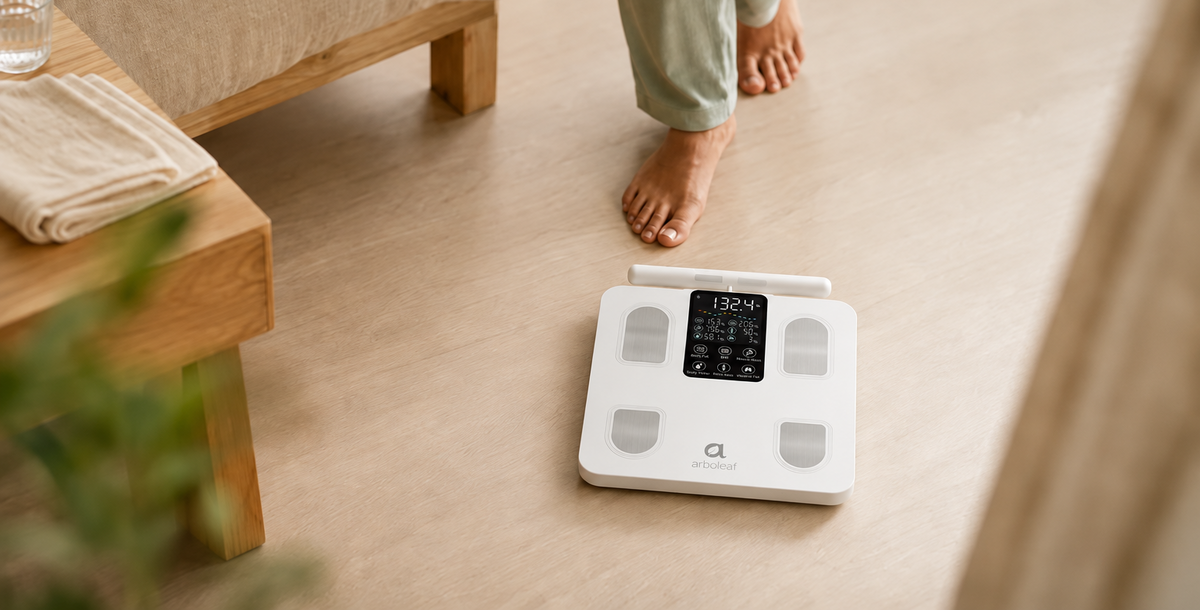
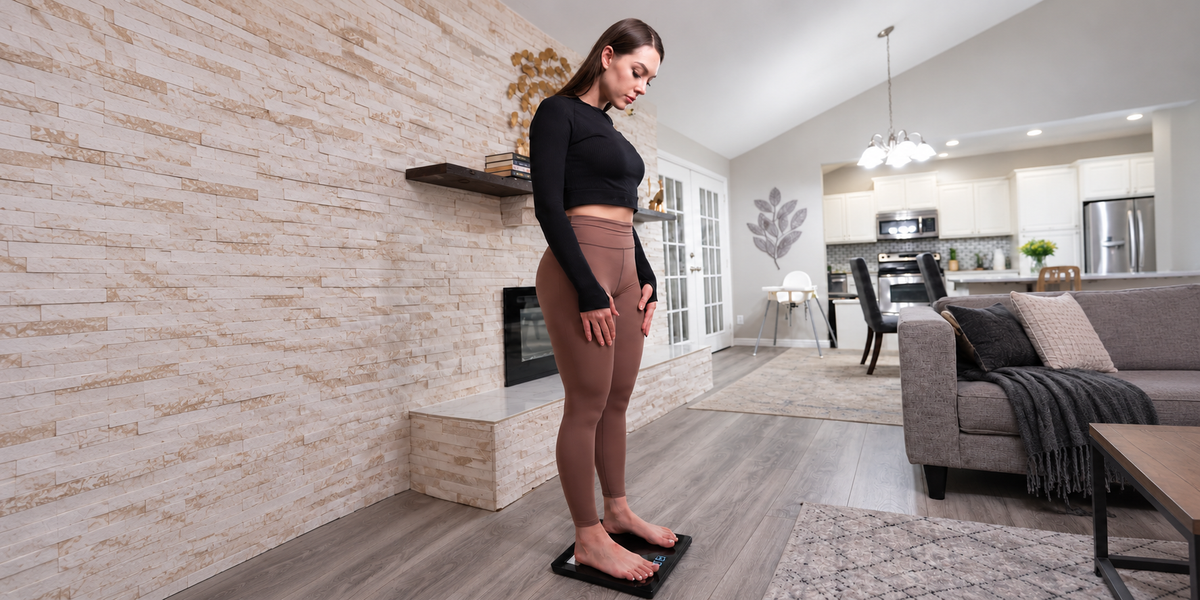
Arboleaf smart scales bring body water percentage, body fat, muscle mass, and weight into one convenient check-in. With your measurements available in the Arboleaf app, you can build a clearer picture of your body as your routines develop.
-
Understand your body water. See the estimated proportion of your body weight that comes from water, alongside fat and muscle measurements. Having these metrics together adds context to the number on the scale.
-
Follow your progress over time. The app keeps your measurements organized, making it easier to review patterns across days and weeks and stay focused on your longer-term progress.
-
Make health tracking a regular habit. A quick measurement at a similar time and under similar conditions creates a more consistent record. It’s an easy addition to the nutrition, hydration, and exercise habits you’re already building.
Together, a simple drinking routine and regular Arboleaf check-ins make everyday health tracking more useful: you can keep up with your water intake while staying connected to your broader body composition goals.
When you ask “how many water bottles should I drink a day,” start with your bottle size, count other drinks, and adjust for your day. Pair that habit with Arboleaf smart scales to follow your body water and body composition trends, bringing more insight to the everyday choices you make for your health.
Frequently Asked Questions
Do Coffee and Tea Dehydrate You?
In typical amounts, coffee and tea still contribute fluid. Caffeine can increase urination, but that doesn’t cancel out all the water in your cup. You don’t need to automatically match every coffee with an equal amount of plain water.
Does Sparkling Water Count Toward Water Intake?
Yes. Plain sparkling water counts toward your daily fluid intake. If bubbles make water more enjoyable, it can be a useful alternative to still water. Check flavored versions for added sugar.
Can I Calculate How Much Water to Drink Based on My Weight?
The “half your body weight in ounces” rule is a rough estimate, not a precise formula. A 160-pound person gets an 80 oz estimate, but activity, other fluid sources, and health still matter. Use those factors together instead of relying on body weight alone.
Share: