

Shopping for a bathroom scale used to be simple: you bought a piece of glass, stepped on it, and looked at a single number. Today, searching for a new device means scrolling through endless options that claim to measure everything from your hydration levels to your metabolic age.
With so many options available, choosing the right model can quickly become overwhelming. Not every device is designed for the same user or the same health goal.
If you are ready to upgrade your health tracking, understanding which features truly matter will help you make a much more informed decision. Here is exactly how to navigate the market and choose the best smart scale for your specific lifestyle.
What Makes the Best Smart Scale?
When searching for a new tracking device, it is easy to get distracted by flashy marketing. However, the true value of a high-quality model comes down to four fundamental pillars:
-
Consistent Measurements: A scale that gives you the exact same reading when you step on it three times in a row is far more valuable than one with a hundred features but inconsistent sensors.
-
Meaningful Health Insights: It should look beyond simple body weight and provide context about your body's internal makeup.
-
Easy Progress Tracking: The companion app should do the heavy lifting, organizing your data into clear, long-term visual trends.
-
User-Friendly Experience: If the device is difficult to connect or requires complex steps every morning, you will eventually stop using it. Simplicity is key.
Choose a Smart Scale Based on Your Health Goals
Before comparing technical specs, clarify what you actually want to achieve. The right device should align seamlessly with your daily routine:
For Weight Loss If you are actively trying to lean out, your priority should be tracking body fat percentage alongside your overall body weight. A good scale will show you the downward trend of your fat mass, keeping you motivated even on days when your total weight remains stubborn due to water retention.
For Building Muscle If you are strength training, overall weight is a poor indicator of success. You need a device that clearly monitors skeletal muscle mass. This ensures that your body composition changes are moving in a healthy direction and that you are gaining actual strength, not just mass.
For General Health Tracking If you simply want to maintain your current wellness, look for a scale that offers comprehensive, long-term health awareness. Tracking metrics like visceral fat and hydration levels can serve as excellent early indicators for adjusting your daily habits.
Which Smart Scale Metrics Matter Most?
While some advanced devices can calculate over 50 distinct metrics, mastering these core indicators will turn raw data into a clear health strategy:
-
Body Weight: The foundational function. The true differentiator between a basic device and a top-tier smart weight scale is the absolute consistency of this primary number.
-
Body Fat Percentage: The ultimate indicator of whether your lifestyle changes are effective. It confirms you are successfully burning fat reserves rather than losing valuable muscle.
-
Muscle Mass: This metric protects your motivation. When starting a fitness routine, you often build heavy muscle while losing fat, causing your overall weight to stagnate. Tracking muscle mass proves your body is actively transforming.
-
Body Water: Many adults unknowingly suffer from mild dehydration. Monitoring body water acts as a daily accountability check for your hydration habits.
-
Basal Metabolic Rate (BMR): Estimates the calories your body burns at absolute rest. It establishes the exact baseline of energy you need before factoring in any exercise.
-
Bone Mass: While single daily readings fluctuate, monitoring estimated bone density over several years helps you spot long-term downward trends, prompting proactive dietary changes.
-
Visceral Fat: Provides a direct window into your core cardiovascular health by estimating the hidden fat wrapping around your internal organs.
How Accurate Should a Smart Scale Be?
A common hurdle for new buyers is worrying about clinical precision. It is important to know that home Bioelectrical Impedance Analysis (BIA) scales are not expensive hospital DEXA scanners.
However, perfect, pinpoint absolute accuracy is not actually necessary for home use. What matters is consistency. As long as the scale's baseline remains steady, you can accurately track your physical transformation. Understanding how smart scale accuracy works under different daily conditions can help you focus on what truly matters: long-term trends rather than daily fluctuations.
Why App Compatibility Matters
A smart health scale is only as useful as its companion app. If your health data is trapped in a clunky, isolated application, you are missing out on the biggest benefit of digital tracking.
Look for devices that offer seamless app integration. When your scale can automatically sync with platforms you already use—like Apple Health, Google Fit, Fitbit, or Samsung Health—it centralizes your data. This seamless syncing significantly improves long-term engagement, allowing you to see how your daily steps, sleep, and nutrition directly impact your body composition.
Smart Scale Features Worth Looking For
Beyond the metrics, pay attention to these practical hardware and software features that influence your daily experience:
-
Multiple User Profiles: The device should automatically recognize different family members without mixing up the data.
-
Automatic Data Syncing: You shouldn't need to open the app and manually pair the device every single time you weigh in.
-
Large, Easy-to-Read Display: An illuminated LED screen ensures you can clearly see your numbers early in the morning.
Features You May Not Need
To make a smart purchase, you also need to know what you can ignore.
-
Medical Diagnostic Claims: No home scale can diagnose a health condition. Be wary of marketing that promises clinical medical evaluations.
-
Complex Athletic Modes (If You Are a Beginner): While great for bodybuilders, highly specific athlete modes are unnecessary if you are just starting a walking or light jogging routine. Basic tracking is more than enough to see real progress.
More metrics are not always better if they only cause confusion. Focus on finding a reliable baseline first.
Choosing a Device for Long-Term Use
Ultimately, you are choosing a companion for a long-term journey. Reliability should always be prioritized over sheer novelty.
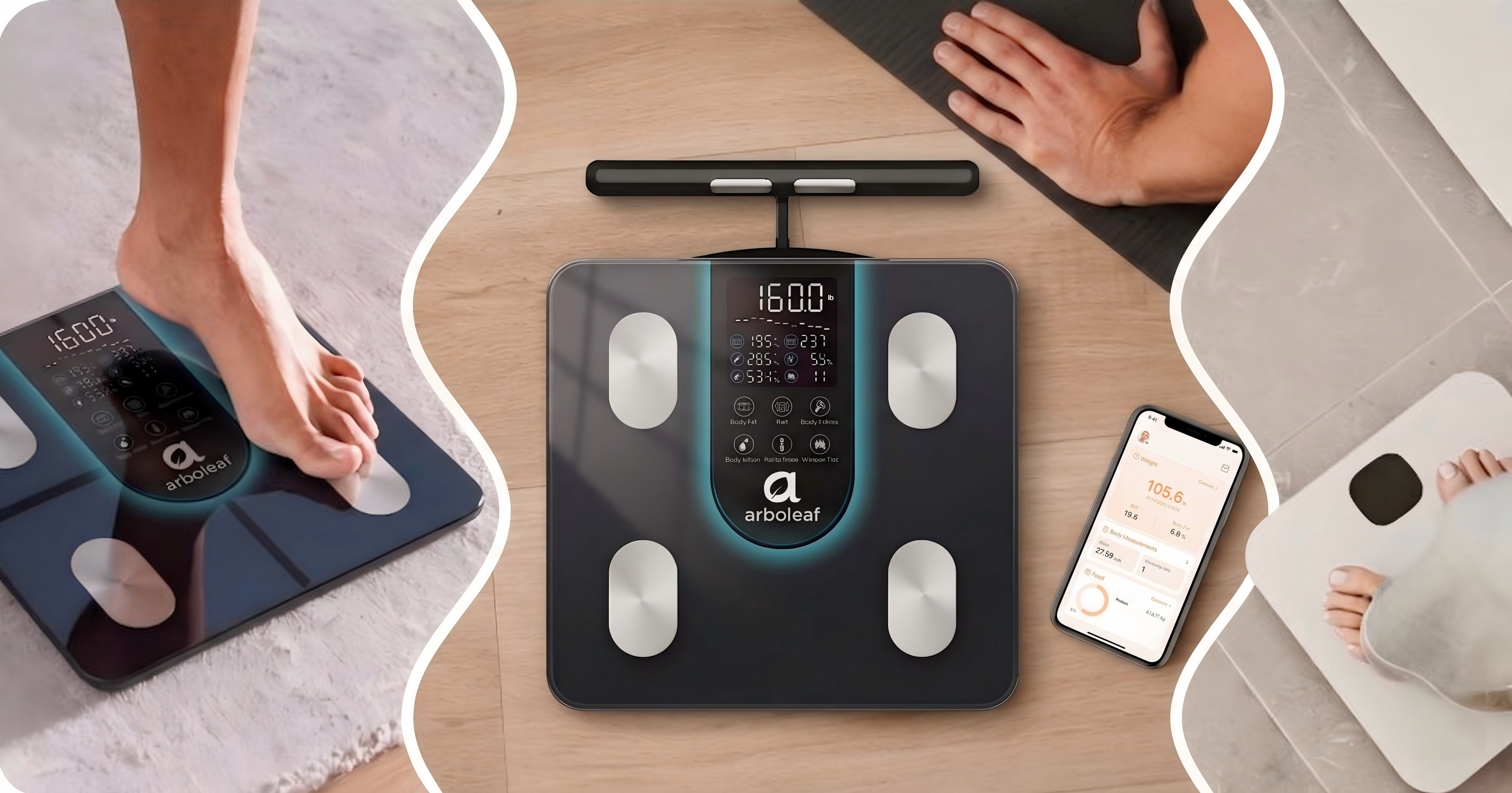
Modern devices remove the friction of manual tracking. Products like the Arboleaf smart scale automatically collect over 50 body metrics and seamlessly sync to apps like Apple Health and Google Fit, building a visual, long-term trajectory of your fitness journey without any extra effort. This allows you to effortlessly monitor your historical trends and build sustainable health habits without altering your morning routine.
Frequently Asked Questions (FAQ)
Q: Can multiple people use the same smart scale?
A: Yes. Quality smart scales allow you to create unlimited user profiles within the companion app. The scale's algorithms are usually smart enough to automatically recognize which family member has stepped on based on their historical weight and composition data.
Q: Does it matter if my feet are dry when weighing myself?
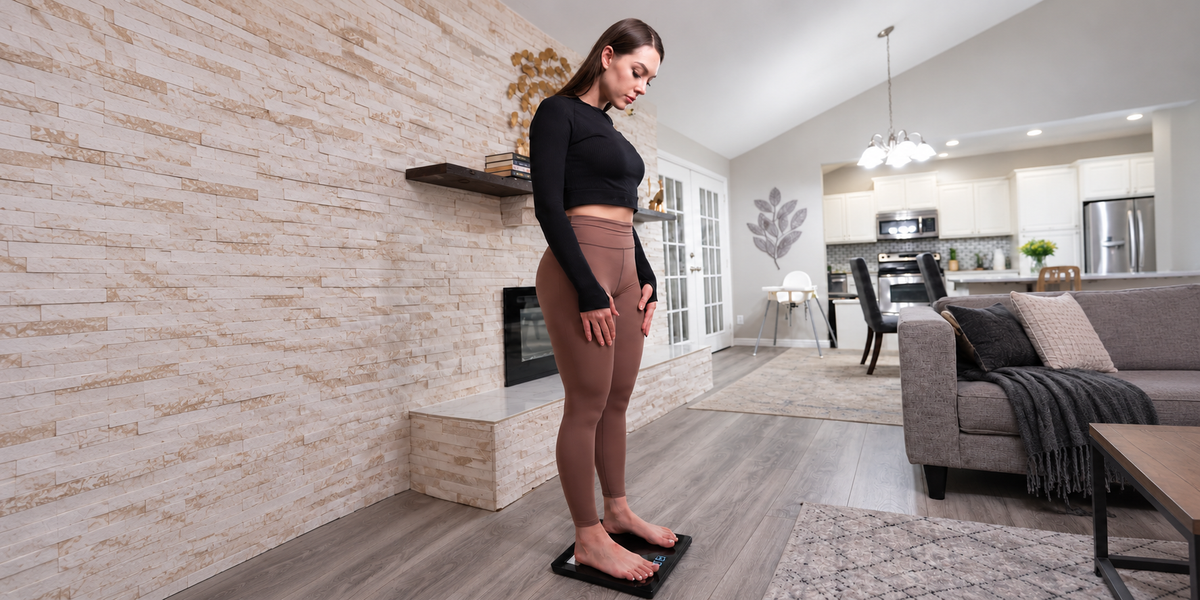
A: Yes. Because BIA technology uses a micro-current to measure body composition, excessively dry or heavily calloused feet can interfere with electrical conductivity. For the best results, step on the scale barefoot with slightly damp or naturally hydrated skin.
Q: Will a smart scale help me lose weight faster?
A: A scale itself doesn't burn calories, but the data it provides is a powerful catalyst for faster results. By showing you exactly whether you are losing fat or losing muscle, it allows you to instantly tweak your diet and workout routines, preventing you from wasting time on methods that aren't working.
Conclusion
Ultimately, if you are wondering how to find the right fit for your health management, the best smart scale depends entirely on your goals and lifestyle.
While it cannot replace medical-grade diagnostic testing, its ability to consistently chart your physical transformation over time makes it an invaluable tool. By standardizing your routine and shifting your focus away from the anxiety of daily fluctuations, you can use an Arboleaf smart scale to track the long-term trends of your muscle mass and body fat. Keep showing up, weigh yourself consistently, and let the macroscopic trends prove that your hard work is paying off.
Share: