

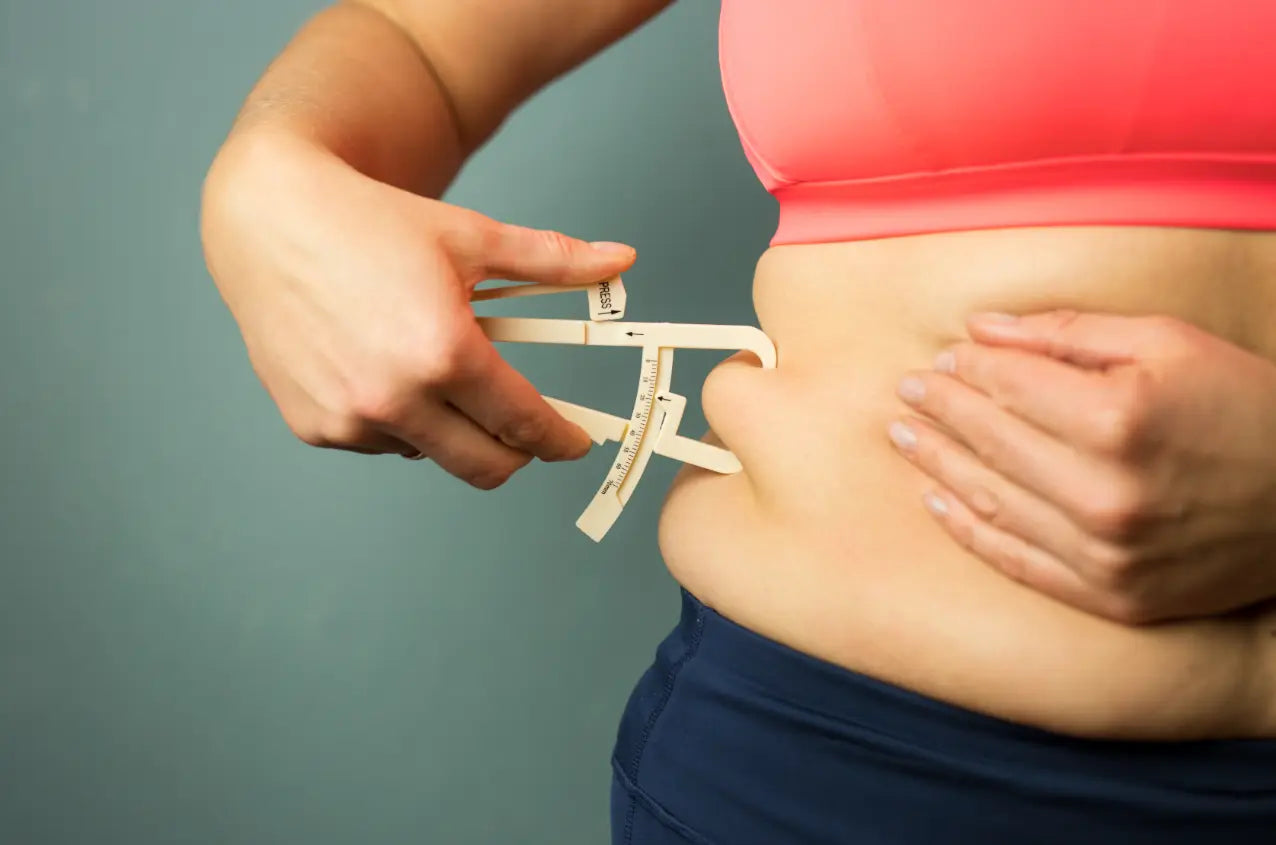
With growing health awareness, more people are using scales to monitor their health and track body composition at home. Many users wonder are scales that measure body fat accurate. This article explores body fat percentage scale accuracy, how to obtain reliable measurements, and why the Arboleaf CS10E 8-electrode scale outperforms standard 4-electrode devices.
How Body Fat Scales Work
Most home body fat scales use Bioelectrical Impedance Analysis BIA technology. A weak electrical current passes through the body. Since fat conducts electricity differently than muscle, the scale can estimate body fat percentage. Several factors can affect accuracy
-
Hydration levels: Body water content can significantly influence readings
-
Time of day: Morning and evening measurements may differ
- Body condition: Recent exercise, meals, or alcohol intake can affect results
Therefore, home scales should be used as reference tools, better suited for tracking trends over time rather than single precise measurements.
Accuracy of Body Fat Scales
Users searching for are scales with body fat accurate or are scales that measure body fat accurate often want to know how reliable home measurements can be. The key points are
- Focus on trends rather than single readings. Home scales are most useful for observing changes over time rather than precise one-time values
- Brand and model differences matter. High-end scales with more sensors and advanced algorithms provide more stable readings, though slight errors may remain
- Professional methods are more precise. Methods such as DEXA scans or hydrostatic weighing are far more accurate but expensive and impractical for home use
It is recommended to choose devices that support multi-point and segmental measurements such as Arboleaf CS10E. These scales measure different body parts separately, enhancing the overall accuracy of body composition analysis.
Arboleaf CS10E 8-Electrode Scale Advantages
The Arboleaf CS10E 8-electrode scale offers clear advantages over standard 4-electrode devices. It features a telescopic handle for four-point hand measurement combined with foot electrodes, achieving eight-point simultaneous measurement, which significantly improves precision
Moreover, the CS10E measures not only weight but also body mass index BMI, body fat, muscle mass, body water, bone mass, protein, visceral fat, BMR, skeletal muscle, subcutaneous fat, lean body mass, and metabolic age. This allows users to comprehensively monitor their body composition at home. With its multi-point and segmental measurement capabilities, body fat percentage scale accuracy is greatly enhanced, providing reliable data for health tracking
Tips to Improve Measurement Accuracy
Measure at the same time each day, preferably in the morning, on an empty stomach, after using the restroom
-
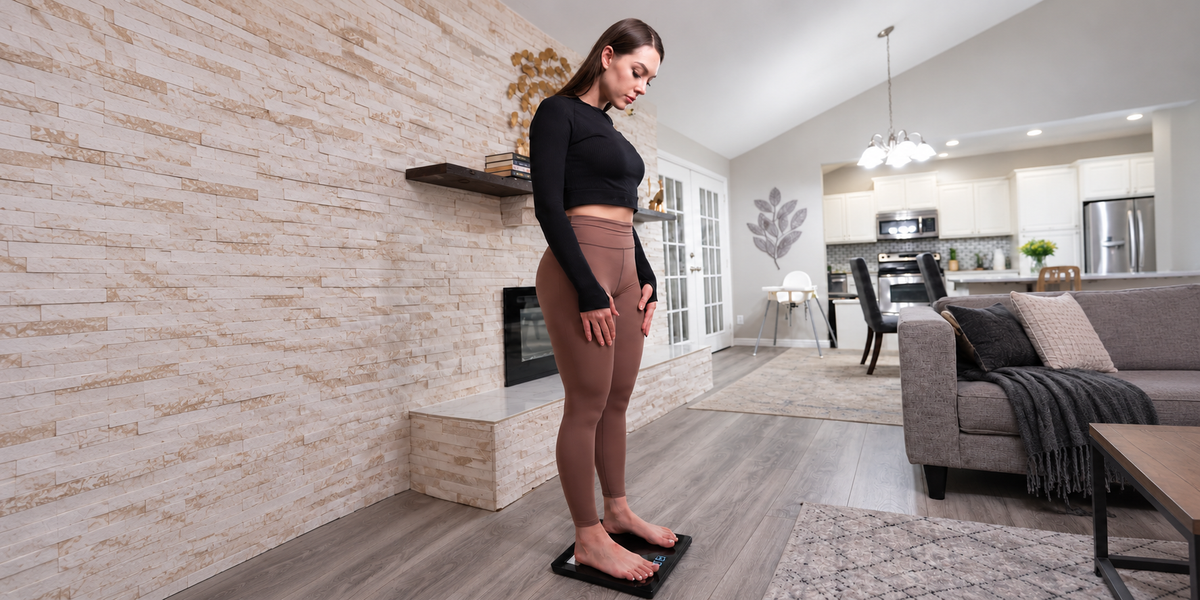
Place on a firm, stable surface, avoiding carpets or uneven floors
-
Maintain consistent hydration and avoid measuring immediately after exercise or heavy fluid intake
-
Use the same scale because different brands or models use different algorithms
-
Track trends by recording multiple readings and focusing on long-term changes rather than single measurements
- For those wondering are scales that measure body fat accurate, following these tips can improve the reliability of home measurements
Conclusion
Body fat scales provide reference data but are not perfectly precise. They are best used for tracking changes over time rather than single-point accuracy. The Arboleaf CS10E 8-electrode scale, with its eight-point measurement and segmental analysis, can monitor weight, body mass index BMI, body fat, muscle mass, body water, bone mass, protein, visceral fat, BMR, skeletal muscle, subcutaneous fat, lean body mass, and metabolic age, greatly improving body fat percentage scale accuracy. Choosing a device that supports multi-point and segmental measurement such as Arboleaf ensures more reliable results and makes it easier to manage body composition at home effectively

Share: